
Understanding alterations in matter is crucial; this involves differentiating between physical transformations—altering form, not composition—and chemical changes,
creating new substances.
What are Physical Changes?
Physical changes affect the form or appearance of a substance, but don’t alter its chemical composition. Think of water freezing into ice or boiling into steam – it’s still H₂O! These changes are often reversible; you can melt ice back into water.
Examples include crushing a can, dissolving sugar in water (the sugar is still sugar, just dispersed), and tearing paper. Crucially, no new substances are formed during a physical change. Identifying these changes relies on observing alterations in state, shape, size, or appearance, without a fundamental shift in the material’s identity. These alterations don’t create anything fundamentally different.
What are Chemical Changes?
Chemical changes result in the formation of entirely new substances with different chemical properties. Unlike physical changes, these are often irreversible. Burning wood, for instance, transforms it into ash, carbon dioxide, and water – you can’t simply “unburn” the ash back into wood!
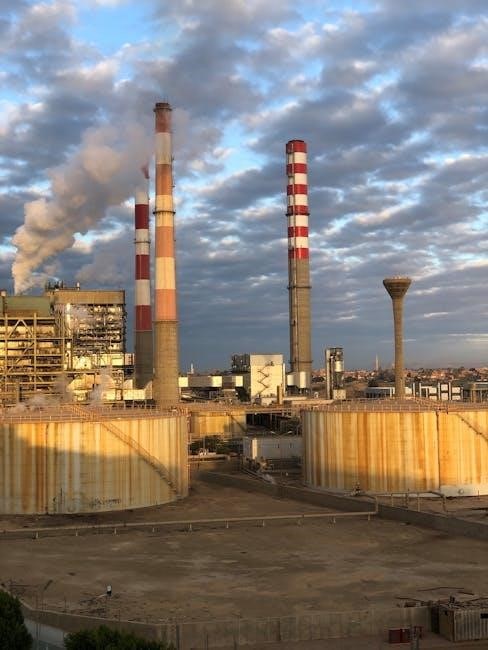
Key indicators include changes in color, the production of gas (bubbles), and the formation of a precipitate (a solid forming from liquids). Rusting is another example; iron reacts with oxygen to create iron oxide, a new substance. These changes involve breaking and forming chemical bonds, fundamentally altering the material’s composition.
Identifying Physical Changes
Physical changes alter a substance’s form or appearance, but not its chemical makeup; think bending, crushing, or dissolving – the substance remains itself.
Changes in State (Solid, Liquid, Gas)
Transitions between solid, liquid, and gaseous states are quintessential physical changes. Consider water: freezing into ice (solid), boiling into steam (gas), or simply existing as liquid water. These shifts involve altering the arrangement and movement of molecules, not changing the water’s chemical formula (H₂O).
Melting, freezing, vaporization, condensation, sublimation, and deposition all exemplify these state changes. Importantly, these processes are often reversible – ice can melt into water and then refreeze. Identifying these state changes is a fundamental skill when completing worksheets focused on physical versus chemical alterations, as they clearly demonstrate a change in form without altering the substance’s identity.
Changes in Shape and Size
Altering an object’s shape or size—like crushing a can, tearing paper, or cutting wood—represents a classic physical change. These modifications affect the physical properties of the substance but don’t alter its chemical composition. The material remains fundamentally the same, even if its appearance has changed.
For example, bending a metal wire doesn’t transform the metal into a new substance; it merely changes its form. Recognizing these alterations is vital when tackling worksheets, as they often test the ability to distinguish between changes that affect only the form and those that create entirely new materials. These are easily reversible actions, too.
Dissolving – A Physical Change?
The process of dissolving, like sugar in water, often causes confusion. While it appears something is changing, dissolving is generally considered a physical change. The sugar molecules are merely dispersing among the water molecules; they aren’t transforming into a new substance.
Crucially, you can often recover the original substance – in this case, sugar – by evaporating the water. This reversibility is a key indicator. Worksheets frequently present dissolving as a test case, requiring students to analyze whether a new substance has formed. Understanding this distinction is essential for accurate identification of physical changes;
Identifying Chemical Changes
Chemical changes involve the creation of entirely new substances with different properties, often signaled by observable phenomena like color shifts or gas production.
Formation of New Substances
A key indicator of a chemical change is the formation of new substances. This isn’t merely a change in appearance or state, but a fundamental alteration at the molecular level. During a chemical reaction, atoms rearrange, forming molecules with different compositions and properties than the original materials.
For example, when iron reacts with oxygen, it doesn’t just change color; it forms rust – a completely new substance, iron oxide. Identifying these new substances often requires careful observation and, sometimes, chemical analysis. Worksheets frequently ask students to identify these newly formed compounds based on reaction descriptions or experimental results, emphasizing the core concept of chemical transformation.
Changes in Color
While a color change can signal a chemical reaction, it’s not always definitive. Many physical changes also involve alterations in color – think of water freezing to ice, or a substance dissolving. However, a significant and unexpected color change often suggests that new substances are being formed, indicating a chemical process is underway.
Worksheet questions often present scenarios where color changes are observed. Students must then analyze whether other indicators are present to confirm a chemical reaction. For instance, if a solution turns blue and bubbles are released, it’s more likely a chemical change than simply mixing two colored liquids. Careful observation and contextual analysis are key to accurate identification.
Production of Gas (Bubbles)
The visible formation of gas, often appearing as bubbles, is a strong indicator of a chemical change. This happens when a reaction produces a gaseous byproduct. However, it’s important to distinguish this from simply dissolving a gas into a liquid – like carbonation in soda – which is a physical change.
Worksheet problems frequently feature scenarios involving bubbling. Students need to determine if the bubbles result from a chemical reaction creating a new gas, or a physical process like pressure release. Observing accompanying changes, such as temperature shifts or color alterations, helps differentiate between the two. Accurate interpretation requires careful consideration of all observed phenomena.

Key Indicators of Chemical Reactions
Recognizing chemical reactions involves observing key signs: color changes, gas production, precipitate formation, heat exchange, and irreversibility—signals of new substances.
Heat Absorption or Release (Exothermic/Endothermic)
Chemical reactions are often accompanied by energy changes, manifesting as either heat absorption or release. Exothermic reactions release energy, typically as heat, causing the surroundings to warm up – think of burning fuel. Conversely, endothermic reactions absorb energy from their surroundings, leading to a cooling effect, like dissolving ammonium nitrate in water.
Identifying whether a reaction is exothermic or endothermic is a crucial indicator of a chemical change. Worksheets often ask students to determine this based on temperature changes observed during an experiment. A positive temperature change signifies an exothermic process, while a negative change indicates an endothermic one. Careful observation and accurate temperature measurement are key!
Formation of a Precipitate
A precipitate is a solid substance that forms from a solution during a chemical reaction. This occurs when dissolved ions combine to create an insoluble compound. Observing precipitate formation is a strong indicator of a chemical change, as it signifies the creation of a new substance with different properties.
Worksheet questions frequently present scenarios involving mixing solutions, prompting students to predict or identify precipitate formation. Recognizing the visual cue – a cloudy appearance or solid settling out – is essential. Understanding solubility rules helps determine which combinations will yield a precipitate, aiding in accurate worksheet completion and demonstrating comprehension of chemical reactions.
Irreversibility of the Change
Chemical changes are often, though not always, irreversible – meaning the original substances cannot be easily recovered. This distinguishes them from physical changes, which are frequently reversible, like melting and freezing. Worksheets often test this concept by asking if a process can be ‘undone’.
Consider burning wood; you can’t simply reassemble ash and smoke into wood. This irreversibility stems from the formation of entirely new chemical bonds. However, some chemical reactions are reversible under specific conditions. Students must analyze the scenario presented in worksheet questions to determine if the change is practically irreversible in everyday circumstances.

Physical vs. Chemical Changes: A Comparison Table
A clear table highlights key differences: physical changes alter form, are often reversible, and create no new substances, unlike chemical changes.
Summarizing the Differences
Distinguishing between physical and chemical changes hinges on whether the substance’s composition alters. Physical changes—like melting or freezing—modify appearance but retain the material’s inherent properties; they’re often reversible. Think of water changing to ice – still H₂O! Conversely, chemical changes involve forming entirely new substances through a rearrangement of atoms.
Burning wood exemplifies a chemical change, yielding ash, smoke, and gases – no longer wood. Identifying these changes is vital for understanding reactions. Key indicators include gas production, color shifts, precipitate formation, and energy exchange (heat absorbed or released). Mastering this distinction is fundamental to chemistry and crucial for successfully completing related worksheets.
Worksheet Focus: Common Examples
Worksheets often present scenarios like rusting, melting, and burning; correctly classifying these as physical or chemical changes demonstrates core understanding of matter’s behavior.
Rusting of Iron – Chemical Change
Rusting, the formation of iron oxide, is a classic example of a chemical change. It isn’t simply a surface alteration; rather, iron reacts with oxygen and water, creating a completely new substance – hydrated iron oxide, which we recognize as rust.
This process fundamentally changes the iron’s composition. Worksheets frequently use rusting to test comprehension, requiring students to identify the new substance formed and recognize that the original iron is irreversibly altered. The reddish-brown appearance signifies a chemical reaction, not a physical one like bending or denting the metal. Therefore, it’s a definitive chemical change.
Melting Ice – Physical Change
Melting ice perfectly illustrates a physical change. When ice transitions to liquid water, its chemical composition – H₂O – remains unchanged. The substance simply alters its state from solid to liquid due to a temperature increase.
Worksheet questions often utilize melting ice to assess understanding of state changes. Students must recognize that while the form has changed, the water is still fundamentally water. Reversing the process – freezing – easily restores the original state, further confirming it’s a physical, and not chemical, alteration. No new substance is created during melting.
Burning Wood – Chemical Change
Burning wood is a classic example of a chemical change. This process involves a reaction between wood and oxygen, resulting in the formation of new substances: ash, carbon dioxide, water vapor, and various other gases. The original wood is no longer present; its composition has been fundamentally altered;
Worksheet problems featuring burning wood test a student’s ability to identify the creation of new materials and irreversible changes. Unlike physical changes, you cannot simply reverse burning to get the original wood back. The heat and light produced are also indicators of a chemical reaction taking place.
Understanding Worksheet Questions
Successfully tackling worksheets requires careful reading and observation analysis; pinpointing whether a new substance forms or if the change is reversible is key.
Identifying the Type of Change
Determining if a change is physical or chemical hinges on whether the substance’s composition alters. Physical changes – like crushing a can or water freezing – modify appearance but retain the material’s inherent properties. Conversely, chemical changes, such as burning wood or rusting iron, result in entirely new substances with different characteristics.
Worksheet questions often present scenarios; carefully examine clues like gas production, color shifts, or heat exchange. If a new substance appears, it’s likely a chemical change. If only the form changes, it’s physical. Recognizing these distinctions is fundamental to correctly classifying observed transformations.
Analyzing Observations
Effective worksheet completion demands meticulous observation analysis. Don’t simply state a change occurred; detail what you observed – color shifts, bubble formation, temperature variations, or precipitate development. These details are crucial indicators.
Consider if the observed change reversed easily. Physical changes often are reversible (melting/freezing), while chemical changes typically aren’t (burning). Note whether new materials formed. A new smell or texture strongly suggests a chemical reaction. Accurate observation recording, coupled with logical deduction, unlocks correct answers.
Common Mistakes to Avoid on Worksheets
Students frequently confuse reversible state changes with chemical reactions, or misinterpret color alterations as new substance formation; careful observation is key!
Confusing Boiling with Evaporation
A common error on worksheets involves mistaking evaporation for boiling, both being physical changes of state. Evaporation is a surface phenomenon, occurring at any temperature, where liquid molecules gain enough energy to become a gas. Boiling, however, is a bulk process – it happens at a specific temperature (boiling point) throughout the liquid, requiring sustained heat input.
Worksheets often present scenarios where identifying which process is occurring is crucial. Students should focus on whether the change happens only at the surface or throughout the entire substance, and if a specific temperature is maintained. Recognizing this distinction is vital for accurate classification.
Misinterpreting Color Changes
Color changes can be tricky indicators on worksheets; they aren’t always signs of a chemical reaction. While a color change often suggests a new substance is forming, some physical changes also involve color alterations – like dissolving a substance in water;
Students frequently misinterpret mixing food coloring into water as a chemical change. It’s purely physical! The key is to determine if the change is reversible and if a new substance has been created. Worksheets require careful observation and consideration of all evidence, not just color.
Resources for Further Learning
Explore interactive simulations and online chemistry tutorials to deepen understanding; these tools offer dynamic visualizations and practice beyond worksheet solutions.
Online Chemistry Tutorials
Numerous online platforms provide comprehensive chemistry tutorials, offering detailed explanations of physical and chemical changes. Khan Academy, for instance, features video lessons and practice exercises covering these concepts at various difficulty levels. Chem LibreTexts delivers open-access textbooks and learning modules, ideal for in-depth study. These resources often include worked examples similar to those found on worksheets, aiding comprehension.
Furthermore, websites like Crash Course Chemistry present engaging, fast-paced overviews of key topics. Supplementing worksheet practice with these tutorials can solidify understanding and improve problem-solving skills. Many tutorials also demonstrate how to approach common worksheet questions, providing valuable strategies for success.
Interactive Simulations
Engaging with interactive simulations offers a dynamic way to grasp physical and chemical changes beyond static worksheets; PhET Interactive Simulations from the University of Colorado Boulder provides excellent virtual labs where students can manipulate variables and observe outcomes. These simulations visually demonstrate concepts like dissolving, reactions, and state changes, reinforcing learning.
Moreover, platforms like Concord Consortium offer similar interactive explorations. These tools allow students to actively participate in experiments, fostering a deeper understanding than simply reading about them. Utilizing simulations alongside worksheet practice can bridge the gap between theory and practical application, improving accuracy in identifying change types.

PDF Worksheet Availability & Access
Numerous educational websites offer free, printable PDF worksheets focusing on physical and chemical changes, aiding student comprehension and skill development effectively.
Finding Reliable Sources for Printable Worksheets
Locating trustworthy worksheets requires careful consideration. Educational websites maintained by teachers or institutions are excellent starting points, offering vetted resources. Look for sites with clear authorship and a focus on accurate scientific content. Avoid sources with excessive advertisements or questionable credibility.
Reputable platforms often provide answer keys alongside the worksheets, facilitating self-assessment and learning. Search terms like “physical and chemical changes worksheet PDF” will yield numerous results, but prioritize those from established educational domains.
Always preview the worksheet to ensure it aligns with the specific concepts being taught and the appropriate grade level. Checking user reviews or seeking recommendations from fellow educators can also help identify high-quality resources.
Ensuring Worksheet Accuracy
Verifying the accuracy of any worksheet, especially those with answer keys, is paramount. Cross-reference the questions and answers with established chemistry textbooks or reliable online resources. Pay close attention to the definitions of physical and chemical changes, ensuring they align with scientific consensus.
Scrutinize examples provided; incorrect illustrations or mislabeled processes can lead to student confusion. If a worksheet presents ambiguous scenarios, consult multiple sources to clarify the correct interpretation.
Remember that even reputable sources can contain errors, so critical evaluation is essential. Prioritize worksheets that emphasize conceptual understanding over rote memorization, fostering a deeper grasp of the subject matter.

Answer Key Considerations
Answer keys should illuminate the reasoning behind each correct response, not just provide the answer itself; they are valuable learning tools.
Understanding the Reasoning Behind Answers
A robust answer key transcends simply listing correct responses; it delves into the why. Students benefit immensely from understanding the scientific principles underpinning each answer. For instance, identifying rusting as a chemical change isn’t enough – the key should explain the formation of new substances (iron oxide) as evidence.
Similarly, melting ice being physical requires explanation of water’s state change without altering its chemical formula (H₂O). Detailed explanations foster deeper comprehension, enabling students to apply their knowledge to novel scenarios. The key should address common misconceptions and provide clear, concise justifications for each solution, promoting genuine learning and critical thinking skills.
Using Answer Keys as a Learning Tool
Answer keys shouldn’t be viewed solely as grading instruments, but as powerful pedagogical resources. Students should actively compare their work with the key, identifying discrepancies and analyzing their errors. Self-assessment is paramount; understanding why an answer was incorrect is more valuable than simply knowing it’s wrong.
Encourage students to review the associated concepts and explanations for missed questions. The key facilitates independent learning and reinforces understanding. It’s a chance to pinpoint knowledge gaps and refine problem-solving strategies. Utilizing the key proactively transforms worksheets from assessment tools into effective learning opportunities, fostering academic growth.