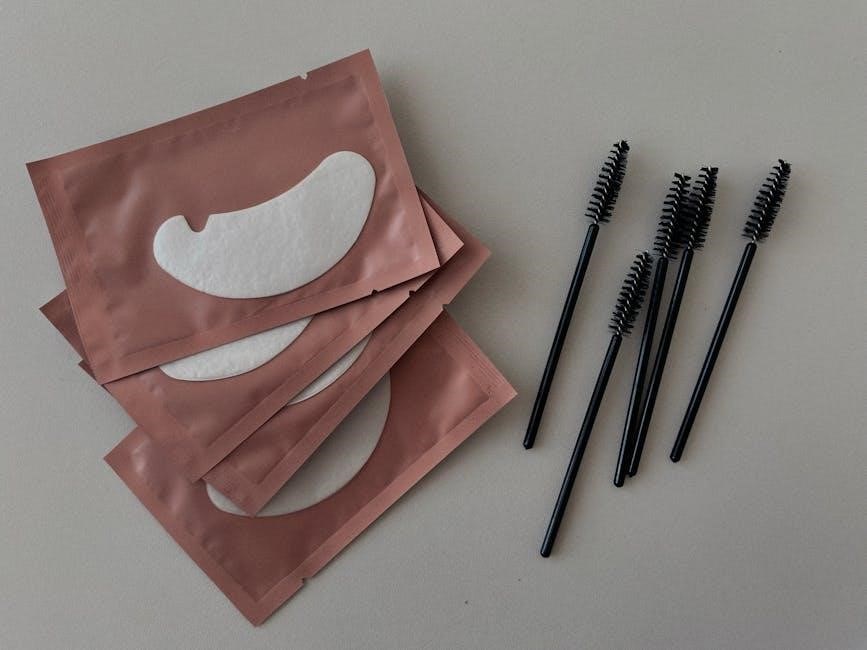
Understanding Lash Lift Pad Sizes
The modern beauty world favors a natural, effortless look, and lash lifts deliver just that—curvy lashes without daily mascara application․ Achieving optimal results
hinges on selecting the correct silicone pad size, crucial for a comfortable and effective treatment, ensuring a beautiful, lifted appearance for all lash types․
What is a Lash Lift and Why Pad Size Matters
A lash lift essentially perm’s your natural eyelashes, turning them upwards for a visibly more open and awake appearance, eliminating the need for a daily curling routine․ It’s a popular choice for those desiring low-maintenance, beautifully curved lashes․ However, the success of a lash lift isn’t solely about the lifting solution; the silicone pad used during the process is paramount․
The pad acts as a mold, shaping the lashes into the desired curl․ Choosing the correct pad size is vital because an ill-fitting pad can lead to discomfort, uneven results, or even potential damage to your natural lashes․ A pad that’s too small won’t effectively lift the lashes, while one that’s too large can cause irritation and a distorted curl․ Therefore, understanding pad sizes and how they correspond to your unique lash characteristics is key to a flawless lash lift experience․
The Role of Silicone Pads in a Lash Lift
Silicone pads are the foundational element shaping the lash lift outcome, acting as a scaffold upon which the lashes are lifted and curled․ These aren’t one-size-fits-all; they come in a range of curvatures and sizes to accommodate diverse lash lengths and natural curl patterns․ The pad’s purpose extends beyond simply holding the lashes – it dictates the intensity and direction of the lift․
During the procedure, the lashes are carefully adhered to the silicone pad using a gentle adhesive․ The lifting solution is then applied, breaking down the lash’s disulfide bonds, allowing them to be reshaped around the pad․ Proper pad selection ensures full contact with the lashes, leading to a uniform and aesthetically pleasing curl․ Without the correct pad, the lift will be compromised, potentially resulting in a less-than-ideal finish․

Common Lash Lift Pad Sizes
Lash lift kits typically include a variety of silicone pad sizes—small, medium, large, and extra-large—each designed to cater to different lash characteristics and desired curl intensities․
Small (8mm) Pads: Ideal Lash Types
The 8mm silicone pads are specifically designed for individuals with shorter lashes or those who prefer a more subtle, natural-looking lift․ These pads are also an excellent choice for clients with very sensitive eyes, as they minimize contact with the delicate eyelid skin․
If your lashes are naturally quite short, using a larger pad size can lead to discomfort and an ineffective lift, as the lash may not make full contact with the pad․ The 8mm size ensures the entire lash is supported during the perming process, resulting in a consistent and gentle curl․
Furthermore, these smaller pads are often favored by first-time lash lift clients, allowing them to experience the treatment with minimal intensity before exploring more dramatic curl options․ They are perfect for achieving a simply enhanced, wide-eyed look․
Medium (10mm) Pads: The Most Versatile Size
The 10mm silicone pads represent the “Goldilocks” of lash lift sizing – not too big, not too small, but just right for a wide range of lash lengths and curl types․ This makes them the most frequently used and recommended pad size by lash technicians․ They are suitable for the majority of clients seeking a noticeable, yet natural-looking lift․
These pads effectively accommodate medium-length lashes, providing ample surface area for the lifting solution to work its magic․ They deliver a beautiful curl without over-processing or causing undue discomfort․
Even for those with slightly longer or shorter lashes, the 10mm pad can often be adjusted with careful placement to achieve optimal results․ It’s a safe and reliable starting point for many, offering a balanced lift that enhances the eyes beautifully․
Large (12mm) Pads: For Longer Lashes
When dealing with naturally longer lashes, the 12mm silicone pads become essential for a complete and effective lash lift․ These pads are specifically designed to fully support and encompass longer lash fibers, ensuring a consistent curl from root to tip․ Without adequate support, longer lashes may droop or exhibit an uneven lift․
Using a smaller pad with longer lashes can lead to the tips of the lashes not making contact with the silicone, resulting in a less dramatic or patchy curl․ The 12mm pad provides the necessary surface area to lift and shape these longer lashes beautifully․
Technicians often recommend these for clients who desire a more pronounced curl or have lashes that extend beyond the typical medium length, delivering a stunning, wide-eyed effect․
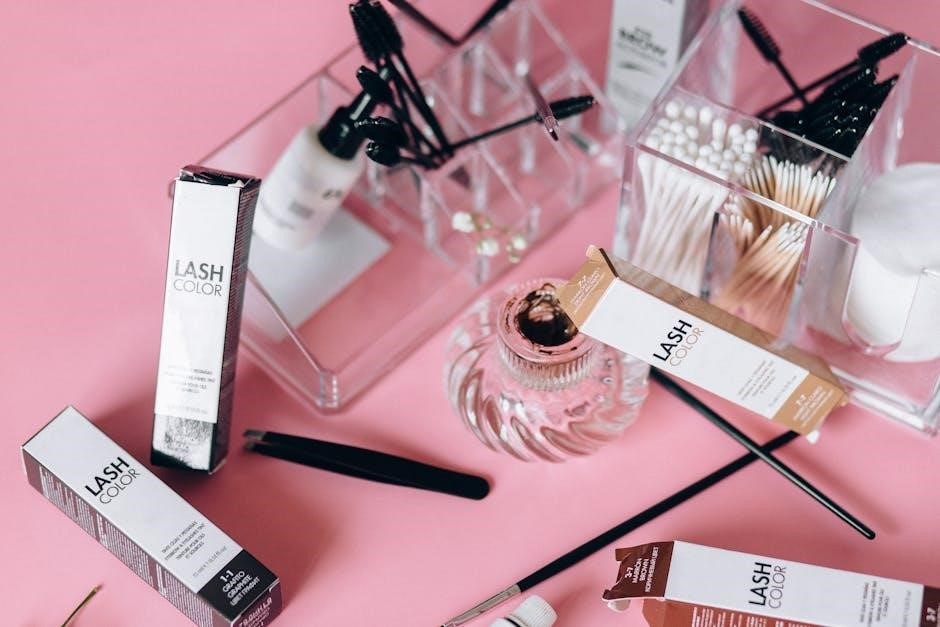
Extra Large (14mm) Pads: Specific Lash Needs
The 14mm silicone pads cater to a niche set of lash needs, primarily for individuals with exceptionally long or deeply set lashes․ These pads are crucial when standard sizes fail to provide complete coverage and support, ensuring every lash fiber is lifted and curled effectively․
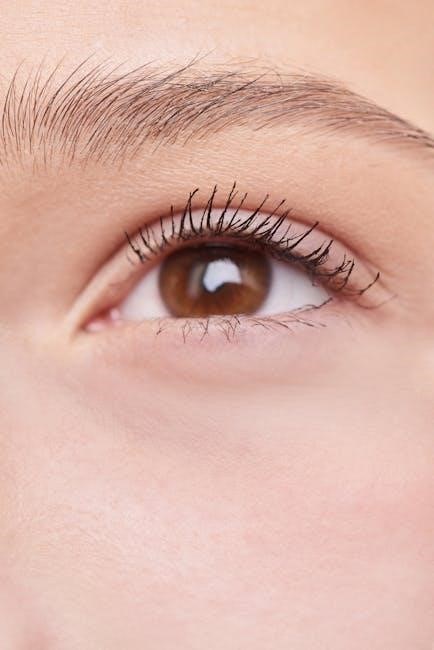
Clients with very prominent eyes or a hooded eyelid structure often benefit from the extra length, as it allows the pad to comfortably fit the lash line without causing discomfort or lifting issues․ Using a smaller pad in these cases can result in an incomplete lift and potential irritation․
Proper assessment by a trained technician is vital to determine if the 14mm pad is the appropriate choice, guaranteeing a safe and stunning lash lift outcome․
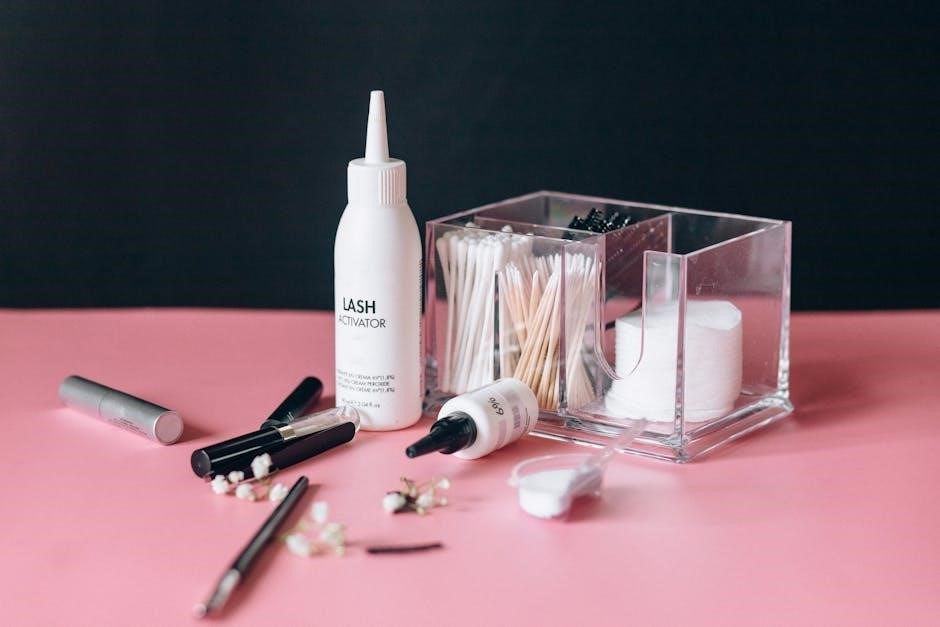
Determining the Right Pad Size for Your Lashes
Accurately assessing lash length, natural curl, and density is paramount for selecting the ideal pad size, ensuring a comfortable procedure and a beautifully lifted result․

Assessing Lash Length
Determining your lash length is the foundational step in choosing the correct pad size for a lash lift․ Shorter lashes, generally those under 8mm in length, typically require smaller pads – around the 8mm size – to ensure the lashes make full contact with the silicone and achieve a noticeable lift without over-curling․ Conversely, longer lashes, exceeding 12mm, benefit from larger pads, such as 12mm or 14mm, providing ample surface area for a complete and natural-looking curl․
A simple way to estimate lash length is to visually compare your lashes to a millimeter ruler․ Alternatively, a trained lash technician will accurately measure your lashes during a consultation․ It’s important to remember that average lash length varies, and a precise measurement is key to avoiding discomfort or an ineffective lift․ Incorrect pad sizing based on length can lead to uneven curls or lashes slipping off the pad during processing․
Evaluating Lash Curl
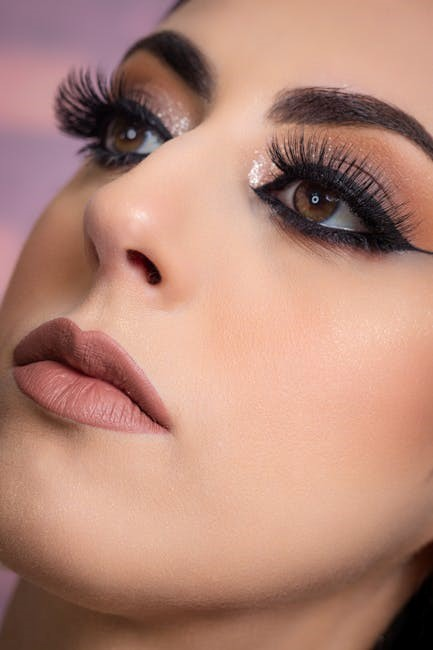
Existing lash curl plays a significant role in pad size selection․ If your natural lashes already possess a slight curl, a smaller pad size – like 8mm or 10mm – might be sufficient to enhance that natural lift, creating a subtle yet defined curl․ Overly aggressive curling with a larger pad on already curved lashes can result in an unnatural, overly dramatic look and potential discomfort․
However, for naturally straight or downward-growing lashes, a larger pad size (12mm or 14mm) is often necessary to achieve a visible and lasting lift․ The goal is to gently reshape the lashes, not to force them into an unnatural position․ A skilled technician will assess your natural curl pattern and recommend a pad size that complements your lash shape, ensuring a comfortable and aesthetically pleasing outcome․ Careful evaluation prevents lash damage․
Considering Lash Thickness and Density
Lash thickness and density are crucial factors when determining the appropriate pad size for a lash lift․ Thicker, coarser lashes generally require a larger pad size to ensure they fully wrap around the silicone form and achieve a consistent curl․ Smaller pads may not accommodate the volume, leading to uneven results or lashes slipping off during processing․
Conversely, finer, less dense lashes may benefit from a smaller pad size․ A larger pad could potentially over-curl these delicate lashes, increasing the risk of damage or discomfort․ The technician needs to consider how the lashes will sit on the pad, ensuring full contact without overcrowding․ A proper assessment of both thickness and density guarantees a safe and effective lift, maximizing the curl and minimizing potential issues․
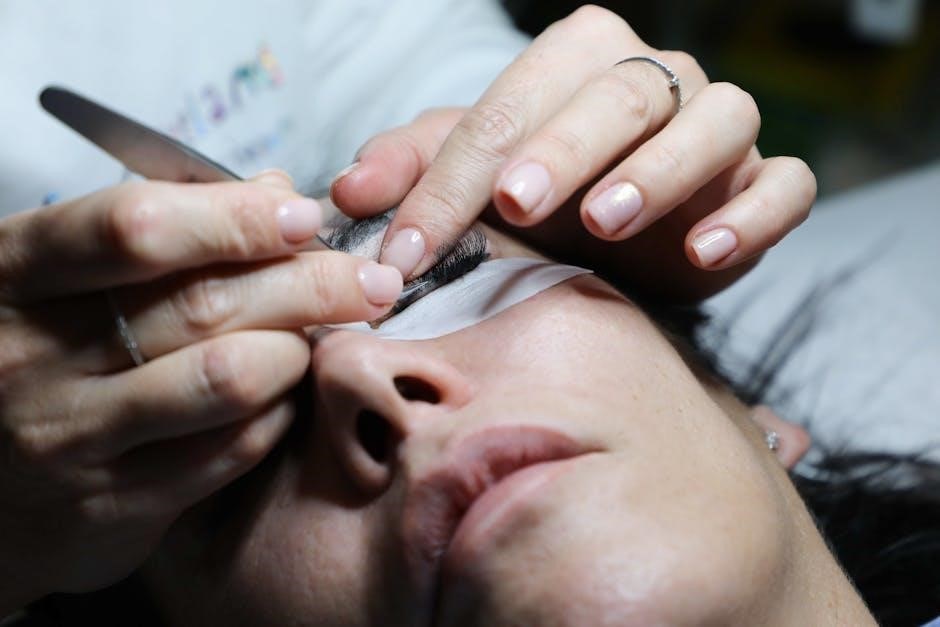
How to Choose Between Pad Sizes
Utilizing a comprehensive pad size chart and prioritizing a thorough consultation with a skilled technician are vital steps for selecting the perfect fit․
Using a Pad Size Chart
A lash lift pad size chart serves as an excellent initial guide, offering a visual representation of pad curvature and corresponding lash lengths․ These charts typically illustrate various pad sizes – small (8mm), medium (10mm), large (12mm), and extra-large (14mm) – alongside suggested lash lengths for each․ However, remember that charts provide a general starting point; individual lash characteristics significantly influence the ideal choice․
When referencing a chart, carefully measure your natural lash length from base to tip․ Match this measurement to the chart’s recommendations․ Consider that a slightly smaller pad can create a more dramatic curl, while a larger pad yields a subtler lift․ Don’t solely rely on length; the chart should also consider natural curl․ A straighter lash might benefit from a more curved pad, even if it’s a size up from the initial length assessment․
The Importance of a Consultation
A professional consultation is paramount for determining the perfect lash lift pad size, surpassing the limitations of generic charts․ A skilled lash technician will meticulously assess your unique lash characteristics – length, curl, thickness, and density – to provide a personalized recommendation․ This evaluation goes beyond simple measurement, considering how your lashes naturally grow and interact with different pad curvatures․
During the consultation, discuss your desired outcome․ Do you prefer a dramatic, noticeable lift or a more subtle, natural curl? The technician can explain how each pad size will affect the final result․ Open communication ensures your expectations align with the achievable outcome, minimizing disappointment and maximizing satisfaction․ A thorough consultation safeguards against discomfort and potential lash damage from incorrect pad selection․
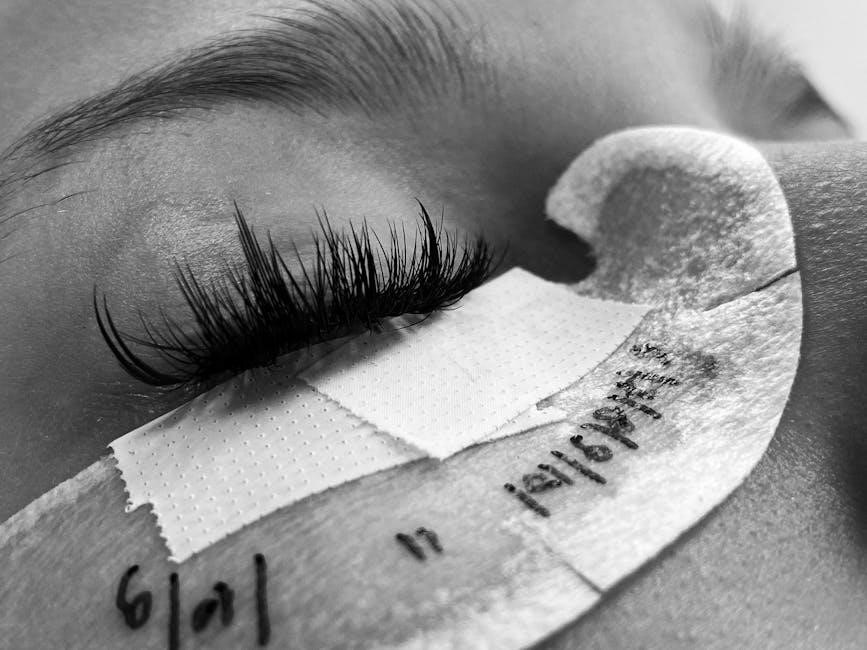
Potential Issues with Incorrect Pad Size
Using the wrong pad size can lead to discomfort, uneven curls, and even damage to your natural lashes; proper sizing is vital for a safe, effective lift․
Discomfort During the Procedure
If a pad is too small, it can press uncomfortably against the eyelid, causing significant irritation and a pinching sensation throughout the lash lift process․ Conversely, a pad that’s too large won’t sit correctly on the eyelid contour, leading to slippage and inconsistent contact․ This improper fit can also create pressure points, resulting in discomfort and potentially even mild pain․
Clients may experience heightened sensitivity if the pad size doesn’t align with their eye shape, making the entire experience unpleasant․ It’s crucial for a technician to carefully assess the eye and lash characteristics to minimize any potential discomfort․ A well-fitted pad ensures a smooth, comfortable procedure, enhancing the overall client experience and promoting relaxation during the treatment․
Uneven Curl Results
Using an incorrectly sized pad is a primary cause of uneven lash lift results․ A pad that’s too small won’t adequately support the entire lash length, leading to a curl that’s tighter at the base and weaker towards the tips․ Conversely, an oversized pad allows lashes to slip off the edges during processing, resulting in a lift that’s inconsistent and lacks uniformity․
This can manifest as some lashes appearing dramatically curled while others remain relatively straight, diminishing the overall aesthetic impact․ Proper pad selection ensures that all lashes are uniformly lifted from root to tip, creating a balanced and symmetrical curl․ Achieving a polished, professional look relies heavily on precise pad sizing and careful application techniques․
Damage to Natural Lashes
While lash lifts themselves aren’t inherently damaging, utilizing an inappropriate pad size can compromise the health of your natural lashes․ An excessively large pad forces lashes to bend beyond their natural flexibility, potentially causing breakage or weakening the lash follicle over time․ Repeated stress from oversized pads can lead to sparse lashes and hinder future growth․
Conversely, a pad that’s too small might not provide sufficient support, increasing the risk of lashes becoming stuck or tangled during the process, leading to premature shedding․ Prioritizing correct pad sizing and avoiding overly frequent treatments are crucial steps in preserving lash integrity and preventing long-term damage․
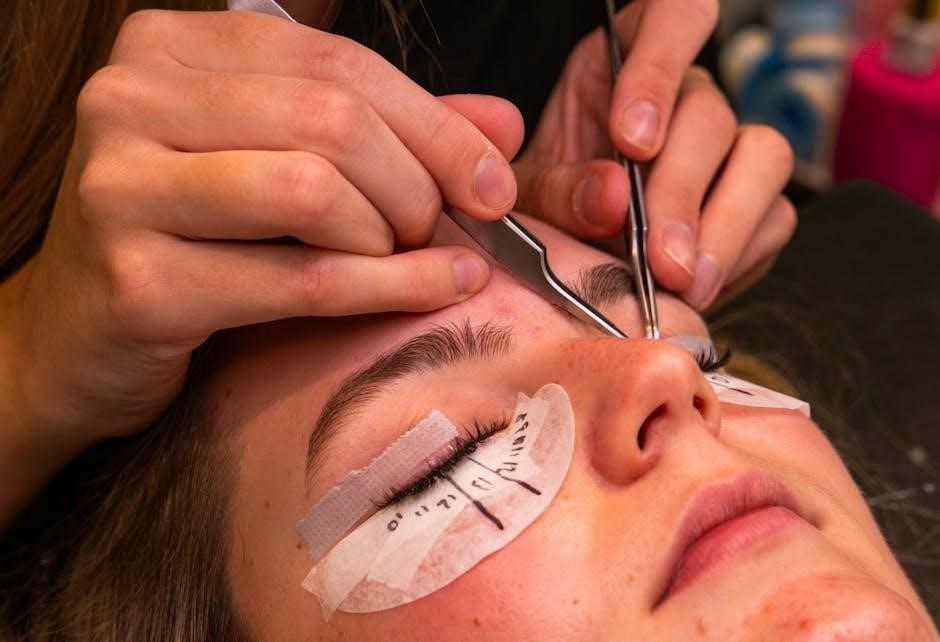
Tips for a Successful Lash Lift
Precise pad placement is paramount, alongside diligent aftercare, to maximize lift longevity and maintain lash health—avoiding water and rubbing for 24 hours is key․
Proper Pad Placement Techniques
Achieving a flawless lash lift relies heavily on meticulous pad application․ Begin by gently cleansing the lashes and surrounding skin to remove any oils or makeup residue, ensuring optimal adhesion․ Carefully select the appropriate pad size based on lash length and curl – erring on the smaller side initially is often advisable․
Center the silicone pad directly beneath the lash line, as close to the roots as possible without causing discomfort․ Use a micro-brush or applicator to adhere the lashes to the pad with the lifting solution, ensuring each lash is neatly positioned and separated․ Avoid overlapping lashes, as this can lead to uneven curls․
Pay close attention to the outer corner lashes, ensuring they are securely adhered to prevent them from lifting incorrectly․ Regularly check for any gaps or misaligned lashes throughout the process, making adjustments as needed․ Proper technique minimizes discomfort and maximizes the effectiveness of the lash lift․
Aftercare to Maintain the Lift
Post-lash lift care is paramount for maximizing longevity and maintaining optimal curl․ For the initial 24-48 hours, avoid getting the lashes wet – this includes showering, swimming, and exposure to steam or saunas․ Refrain from using oil-based products, as they can weaken the lift and cause premature drooping․
Mascara can be used cautiously after 24 hours, but opt for a lightweight formula to avoid weighing down the lashes․ Avoid harsh rubbing or pulling at the lashes, as this can disrupt the curl pattern․ Gently brush lashes daily with a clean spoolie to maintain shape and prevent clumping․
Sleeping on your back can also help preserve the lift․ While the lash lift typically lasts 6-8 weeks, diligent aftercare significantly extends its duration, keeping your lashes beautifully curled and defined․