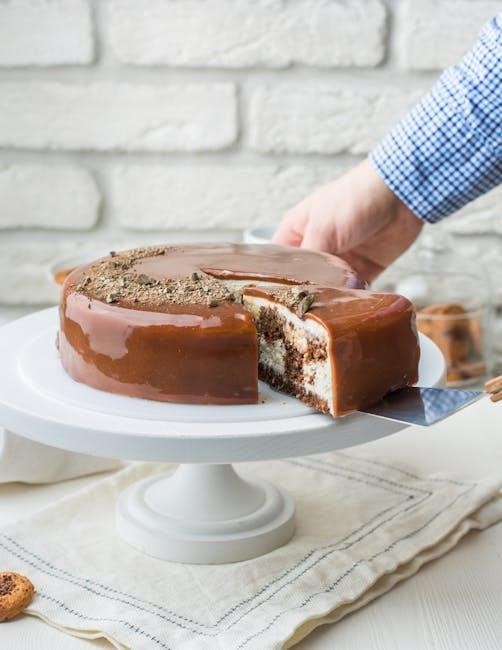
Navigating the art of cake slicing requires precision, considering frosting types and cake structure for clean, presentable portions—a delightful experience!
The seemingly simple act of slicing a cake can significantly impact its presentation and enjoyment. Achieving a clean cut isn’t merely about portioning; it’s about preserving the integrity of each slice, ensuring a delightful experience for everyone. Different frostings present unique challenges – American buttercream’s density leads to smearing, while fudgy frostings are prone to smudging.
Proper technique, coupled with the right tools, is crucial. Whether you’re dealing with a delicate cheesecake or a multi-layered creation, understanding the nuances of cake slicing elevates the entire dessert experience. Preparing the cake – chilling or leveling – also plays a vital role in achieving professional-looking results. This guide will explore these aspects in detail.
The Importance of a Clean Slice
A clean slice transcends mere aesthetics; it’s a testament to care and skill, enhancing the overall enjoyment of the cake. Sloppy cuts, with smeared frosting and crumbling layers, detract from the visual appeal and can even affect the texture of each portion. Maintaining the cake’s structural integrity is paramount, especially with delicate frostings prone to smudging or dense buttercreams that easily crumble.
A precise cut ensures each guest receives a visually appealing and structurally sound piece. It demonstrates respect for the baker’s efforts and elevates the dessert from a simple treat to a memorable experience. Mastering this skill transforms cake serving into an art form, showcasing both presentation and flavor.
Understanding Frosting Types and Slicing Challenges
Different frostings present unique slicing hurdles, demanding tailored techniques for optimal results. American buttercream, being thick and dense, readily smears into cake crumbs during traditional top-down slicing, creating a messy appearance. Conversely, fudgy frostings, with their looser consistency, are prone to smudging, losing definition with each cut.
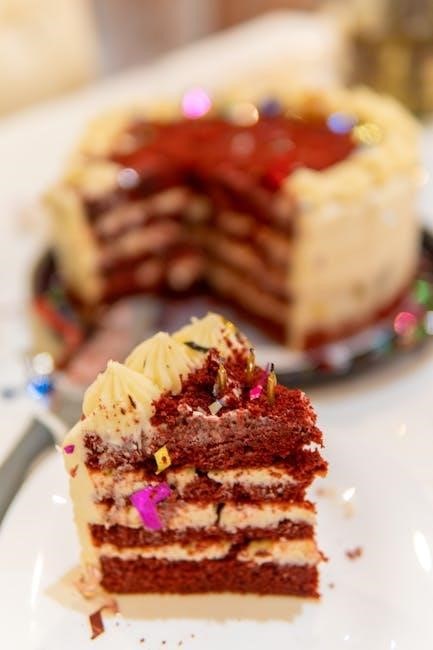
Successfully navigating these challenges requires recognizing the frosting’s properties. A hot knife is often crucial for buttercream, while gentle pressure and a chilled cake are vital for fudgy varieties. Ignoring these nuances leads to uneven slices and a compromised presentation, diminishing the cake’s overall appeal.
American Buttercream and Smearing Issues
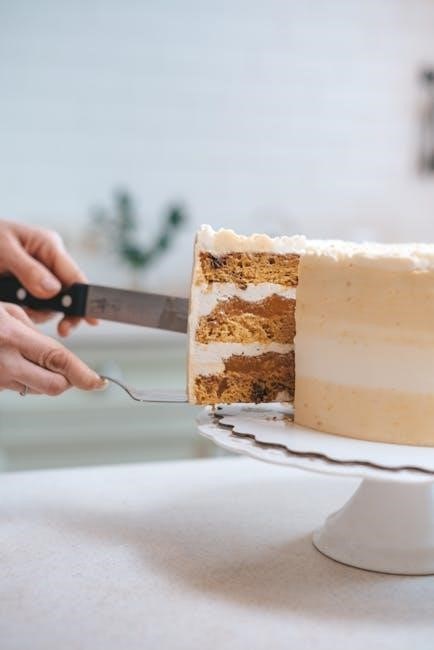
American buttercream, beloved for its sweetness, presents a significant slicing challenge: smearing. Its composition – softened butter beaten with confectioners’ sugar – creates a dense, easily disrupted structure. Traditional top-down slicing often results in the frosting clinging to the knife and dragging across the cake layers, embedding crumbs within the frosting.
This smearing effect compromises the clean lines of each slice and diminishes the cake’s visual appeal; Employing a heated knife is paramount to counteract this, melting the buttercream cleanly through the cake. Alternatively, chilling the cake thoroughly before slicing can firm up the frosting, reducing smearing tendencies.
Fudgy Frostings and Smudging Concerns
Fudgy frostings, characterized by their looser consistency, introduce a different set of slicing difficulties – smudging. Unlike the crumb-embedding issues of American buttercream, fudgy frostings tend to lose their shape and smear along the cut line, creating a less defined and somewhat messy appearance. This is due to the higher moisture content and softer texture inherent in these frostings.
A hot knife remains crucial, but requires a gentler touch to avoid completely melting the softer frosting. Thoroughly chilling the cake is even more vital with fudgy frostings, solidifying them enough to hold their form during slicing. Careful, deliberate movements are key to minimizing smudging and achieving clean portions.
Tools for Precise Cake Slicing
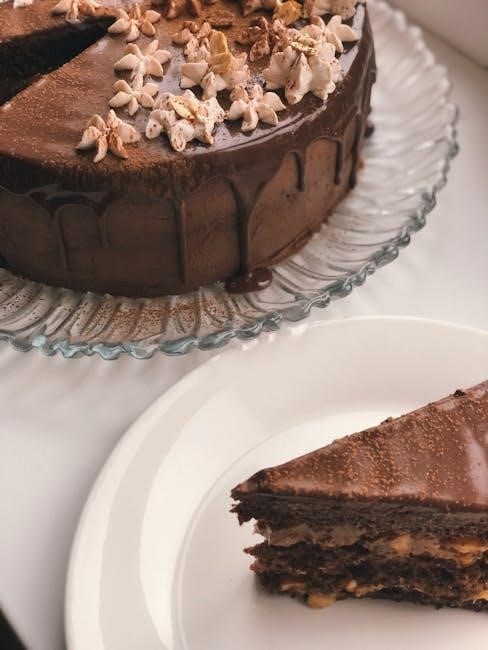
Achieving clean cake slices demands the right tools, moving beyond a standard kitchen knife. The “gold standard” is undoubtedly a heated knife, ensuring a smooth passage through both cake and frosting. Traditional cake servers and offset spatulas offer support for lifting and transferring slices, preventing damage. For exceptionally delicate or layered cakes, consider dental floss – surprisingly effective for a precise, thin cut.
Investing in a long, serrated knife can also be beneficial, particularly for cakes with a coarser crumb. A turntable simplifies the process, allowing for controlled rotation and consistent slice thickness. Proper tool selection significantly elevates the slicing experience.
Hot Knives: The Gold Standard
A heated knife represents the pinnacle of cake slicing technology, offering unparalleled precision and clean cuts. By gently warming the blade, it effortlessly glides through frosting – particularly challenging American buttercream and fudgy varieties – minimizing smearing and crumbling. This method avoids compressing the cake, preserving its delicate texture.
Electric hot knives maintain a consistent temperature, while those requiring hot water demand careful monitoring. The key is a moderately warm blade, not scorching hot. Mastering the hot knife technique yields professional-looking slices, elevating the presentation of any cake.
Cake Servers and Spatulas
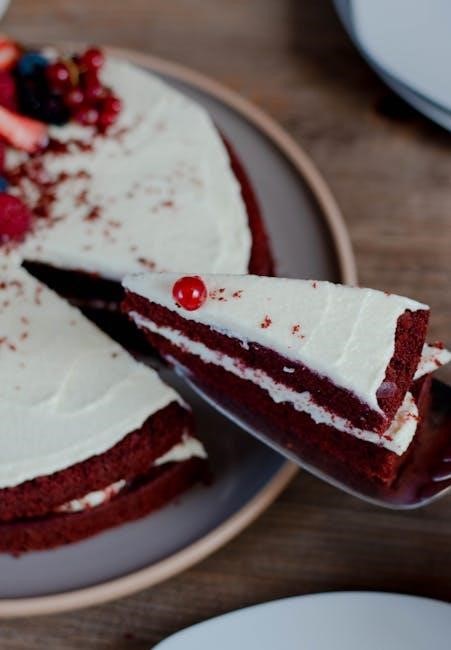
While not as definitive as a hot knife, specialized cake servers and offset spatulas provide viable alternatives for achieving reasonably clean slices. A long, thin cake server with a sharp edge can navigate through frosting with some success, especially firmer varieties. Offset spatulas, commonly used for frosting application, can also be employed for slicing, offering greater control.
However, these tools often require a gentle sawing motion and may still result in some smearing or crumbling, particularly with softer frostings. Clean the blade frequently during use to maintain a tidy cut and presentation.
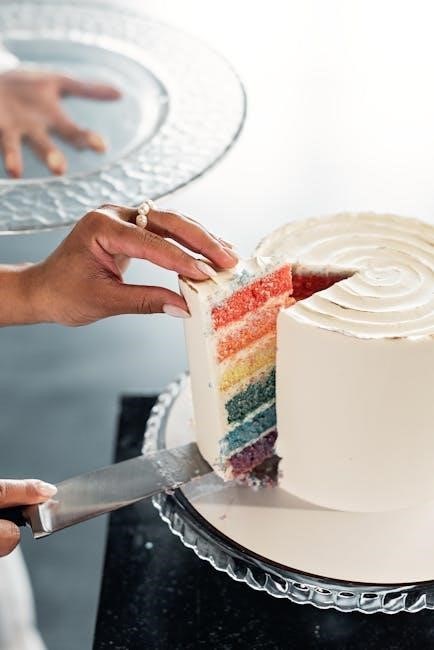
Dental Floss for Delicate Layers
For exceptionally delicate cakes, such as chiffon or sponge cakes with soft fillings, unflavored dental floss offers a surprisingly effective slicing solution. The thin, strong strand cuts cleanly through the cake without compressing the layers, minimizing crumbling and maintaining the cake’s airy texture.
Simply stretch a long piece of floss tautly across the cake and gently press down to create a clean cut. This method is particularly useful for achieving precise portions and preventing damage to fragile cakes. Ensure the floss is unflavored to avoid altering the cake’s taste!
Traditional Top-Down Slicing Method
The traditional method involves pressing a knife straight down from the cake’s top, aiming for even slices. While seemingly straightforward, this technique often presents challenges, particularly with frosted cakes. American buttercream, being thick and dense, tends to smear and drag, creating messy slices filled with crumbs. Similarly, fudgy frostings, due to their looser consistency, are prone to smudging and uneven distribution during the cutting process.
To mitigate these issues, a sharp knife is crucial, but even then, achieving clean cuts requires practice and a delicate touch. This method is best suited for cakes with firmer frostings or those that will be immediately served.
The Hot Knife Technique: Step-by-Step
The hot knife method elevates cake slicing to an art form, ensuring pristine cuts through even the most challenging frostings. Begin by heating a long, thin knife under hot water, then thoroughly drying it. Gently guide the heated blade through the cake with a smooth, downward motion. The heat melts the frosting slightly, preventing it from clinging to the knife and creating a clean separation.
Reheat the knife between each slice to maintain optimal temperature. This technique is particularly effective for American buttercream and fudgy frostings, minimizing smearing and smudging for a professional finish.
Alternative Slicing Methods for Different Cakes
Adapting your slicing technique to the cake’s composition is crucial for optimal results. Layer cakes with filling benefit from a gentle sawing motion, ensuring the layers remain intact. For delicate cheesecakes, a warm, wet knife is paramount, preventing cracking and maintaining a smooth texture. Cakes adorned with soft frosting require a chilled knife and swift, decisive cuts to avoid smearing.
Prior to slicing, chilling or even briefly freezing the cake enhances stability, making clean cuts easier to achieve. Remember to always prioritize a steady hand and consistent pressure throughout the slicing process.
Slicing Layer Cakes with Filling
Layer cakes, especially those with generous fillings, demand a delicate approach to maintain structural integrity. Employ a gentle sawing motion rather than pressing straight down, preventing the filling from squeezing out and the layers from shifting; A long, serrated knife works best, minimizing disruption.
Chilling the cake beforehand is vital; a firm cake slices more cleanly. Consider a slight angle when initiating the cut, then continue with a smooth, even stroke. Support the sides gently if needed, and wipe the knife clean between each slice for pristine presentation.
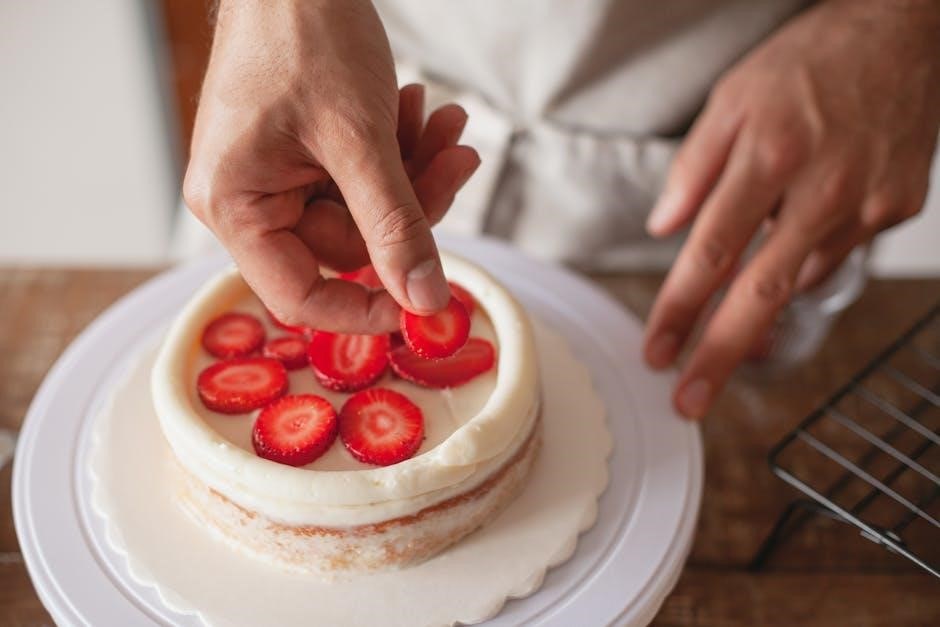
Slicing Cheesecakes: A Clean Cut
Cheesecakes, with their dense and often delicate texture, require a specialized slicing technique for immaculate portions. The key is warmth and a clean, sharp knife. Dip a long, thin knife into hot water, wiping it dry between each slice – this minimizes sticking and creates a smooth cut.
Avoid pressing down; instead, use a gentle sawing motion. A chilled cheesecake holds its shape better, so refrigerate it well before slicing. Support the sides if necessary, and remember to rinse and dry the knife frequently to prevent drag and ensure consistently neat slices.
Slicing Cakes with Soft Frosting
Cakes adorned with soft frostings, like American buttercream or fudgy varieties, present a unique slicing challenge due to their tendency to smear. Employing a heated knife is crucial; the warmth gently separates the frosting from the cake, resulting in cleaner lines.
Alternatively, utilize dental floss – a surprisingly effective tool for delicate layers. Gently pull the floss through the cake, creating a precise cut without compressing the frosting. Chilling the cake beforehand also enhances stability, minimizing smudging. Patience and a light touch are paramount for achieving professional-looking slices.
Preparing the Cake for Slicing
Proper preparation is paramount for achieving clean cake slices. Begin by chilling or even briefly freezing the cake; this firms up both the cake and the frosting, significantly reducing crumbling and smudging during cutting. A firm cake holds its shape better, leading to neater portions.
Next, meticulously trim and level the cake’s surface. An uneven cake will result in uneven slices. Use a long serrated knife or a cake leveler to create a flat, even top. Straight sides are equally important; ensure they are neatly trimmed before frosting or slicing for a polished presentation.
Chilling or Freezing for Stability
To ensure pristine slices, manipulating the cake’s temperature is key. Chilling a cake for at least 30 minutes, or even freezing it briefly (15-20 minutes), dramatically improves its structural integrity. This process firms up the butter in both the cake and the frosting, minimizing crumbs and preventing the frosting from smearing during the cutting process.
A colder cake offers resistance, allowing for a cleaner cut. However, avoid prolonged freezing, as it can alter the cake’s texture. The goal is stability, not a rock-solid block! This simple step elevates your slicing results significantly.
Trimming and Leveling the Cake
Before slicing, achieving a level cake is paramount for uniform portions and a professional presentation. Use a long serrated knife to carefully trim any domes or unevenness from the top of the cake. A turntable can be incredibly helpful for this process, allowing for smooth, controlled rotations.
Similarly, examine the sides and trim away any significant bulges. Straight sides provide a stable base for slicing and prevent the cake from tilting during cutting. Remember to have the cake directly in your eyeline while trimming the top for accuracy!
Troubleshooting Common Slicing Problems
Even with careful technique, slicing can present challenges. Crumbling cakes often benefit from chilling or even a brief freeze to firm up the structure before cutting. For uneven slices, reassess your knife technique – slow, deliberate motions are key. Ensure the knife is clean and sharp, and consider using the hot knife method for delicate cakes.
If frosting smears excessively, a colder cake and a clean knife are essential; Don’t press down too hard; let the knife’s weight do the work. Practice makes perfect, so don’t be discouraged by initial imperfections!
Dealing with Crumbling Cakes
Crumbling is a common issue, especially with delicate or homemade cakes. The solution often lies in stabilization. Before slicing, thoroughly chill the cake – or even briefly freeze it for 15-20 minutes. This firms up the crumb structure, making cleaner cuts possible. A sharp, thin-bladed knife is also crucial; dull knives exacerbate crumbling.
Employ a gentle sawing motion rather than pressing straight down. If crumbs still appear, lightly brush them away after each slice. Remember, patience is key when handling fragile cakes!
Fixing Uneven Slices
Achieving uniform slices is a hallmark of skilled cake presentation. If initial cuts are uneven, don’t despair! A small, offset spatula can be your best friend. Gently transfer small amounts of cake from the larger portions to the smaller ones, effectively redistributing the volume. This creates a more visually appealing and equitable serving size.
Alternatively, consider a “re-stacking” approach for significant discrepancies. Carefully remove slices, and reassemble the cake with more precise cuts. Remember, presentation matters, and a little finesse can transform uneven slices into a polished dessert!
Advanced Slicing Techniques
Elevate your cake service with refined slicing methods. For uniform portions, utilize a turntable and a pre-measured guide – a piece of parchment marked with desired slice widths. Rotate the cake, ensuring each cut aligns with the guide, yielding consistently sized pieces.
Decorative slicing introduces artistry. Radial cuts, originating from the center, create elegant fan-like presentations. Alternatively, geometric patterns, achieved with careful planning and precise cuts, add a modern touch. Mastering these techniques transforms a simple slice into a visual statement, enhancing the overall dessert experience.
Creating Uniform Portions
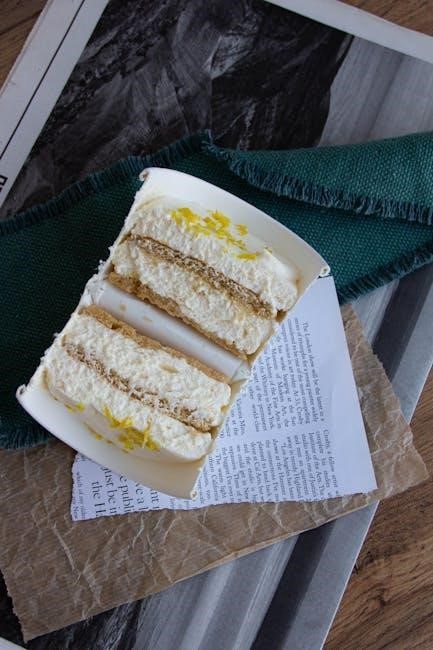
Achieving consistently sized cake slices ensures fairness and enhances presentation. Employing a turntable is crucial; it allows for controlled rotation while slicing. A pre-measured guide, crafted from parchment paper marked with desired slice widths, proves invaluable; Align each cut meticulously with the guide as you rotate the cake, guaranteeing identical portions.
This method minimizes disputes and elevates the serving experience. Consider the number of guests when determining slice size. Precise cuts demonstrate attention to detail, transforming a simple dessert into a thoughtfully presented offering, appreciated by all.
Decorative Slicing Patterns
Beyond simple wedges, creative slicing transforms cake service into an artistic display. Radial cuts, originating from the center, create elegant fan-like portions, ideal for showcasing layered fillings. Alternatively, grid patterns, achieved with perpendicular cuts, offer smaller, bite-sized squares—perfect for parties.
Consider the cake’s shape and frosting when choosing a pattern. A circular cake lends itself well to radial designs, while rectangular cakes suit grid arrangements. Garnishing each slice with fresh fruit or a dusting of powdered sugar further enhances the visual appeal, elevating the dessert experience.
Cake Slicing Etiquette
Proper cake slicing etiquette ensures everyone enjoys a fair and visually appealing portion. Traditionally, the host or guest of honor cuts the first slice, initiating the serving process. Subsequent slices should aim for consistent size, demonstrating consideration for all attendees.
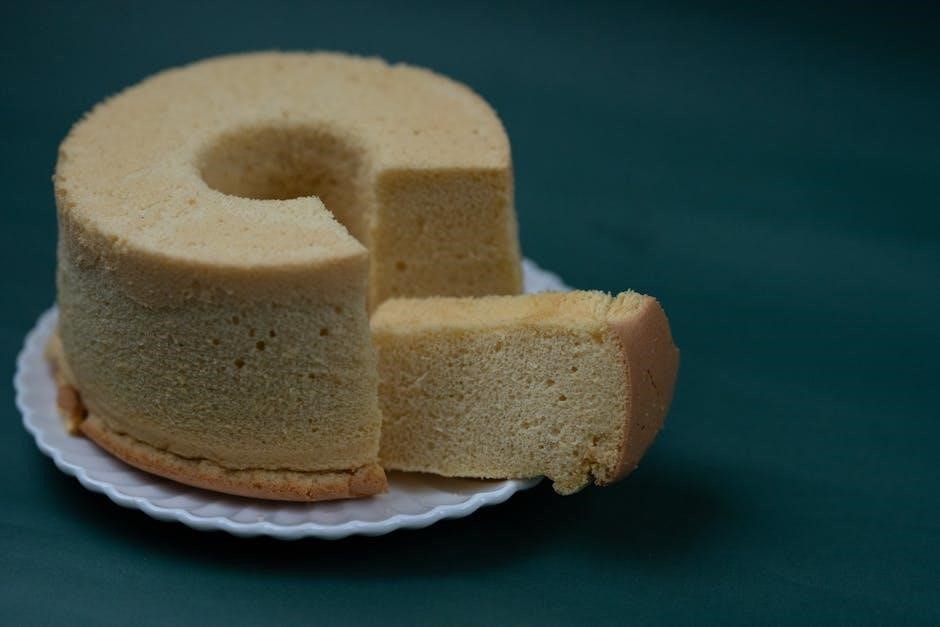
Offer the first slice to the guest of honor or the eldest present. When serving, present the cake with the cut side facing the recipient. Avoid “digging” for the largest piece; prioritize even distribution. A gracious host will also offer assistance to those who may need help cutting their slice, fostering a pleasant atmosphere.
Resources for Further Learning
Elevate your cake slicing skills with these valuable resources! Online platforms like YouTube offer numerous tutorials demonstrating techniques, from hot knife methods to intricate decorative cuts. Websites dedicated to baking, such as Sally’s Baking Addiction and Preppy Kitchen, provide detailed guides and troubleshooting tips.
Consider exploring culinary schools’ online courses for a more in-depth understanding of pastry techniques. Books specializing in cake decorating often include sections on proper slicing and presentation. Don’t hesitate to join online baking communities to exchange knowledge and learn from experienced bakers – sharing is caring!