Canada’s Provinces and Capitals: A Comprehensive Overview
Canada boasts ten provinces and three territories, extending from the Atlantic to the Pacific, with distinct geographical regions and governmental hubs.
Canada’s political landscape is uniquely defined by its division into ten provinces and three territories, each possessing a distinct identity and level of autonomy. This structure reflects the country’s vast geography and historical development, stemming from the union of British colonies and the subsequent inclusion of Indigenous lands. The provinces, generally located in the southern regions bordering the United States, enjoy greater self-governance than the territories.
Conversely, the territories – Nunavut, the Northwest Territories, and Yukon – occupy the northern expanse, characterized by sparse populations and a closer relationship with the federal government. Understanding this provincial and territorial framework is crucial for comprehending Canada’s diverse culture, economy, and political system. Each region contributes uniquely to the nation’s overall character, offering a rich tapestry of experiences and perspectives.
Geographical Distribution of Provinces and Territories
Canada’s provinces stretch across the southern portion of the country, forming a broad band along the United States border, from the Atlantic Ocean in the east to the Pacific Ocean in the west. This positioning influences climate, economy, and population density, with most Canadians residing within these provincial boundaries. The provinces exhibit diverse landscapes, ranging from the rugged coastlines of the Maritimes to the expansive prairies and the Great Lakes region.
In stark contrast, the territories occupy the vast northern reaches, encompassing much of the Arctic region. These areas are characterized by permafrost, tundra, and a significantly lower population density. Their proximity to the Arctic Circle shapes their unique environments and challenges. This geographical division fundamentally impacts resource management, infrastructure development, and the lifestyles of those inhabiting these distinct regions of Canada.
The Ten Provinces of Canada
Canada’s ten provinces – Alberta, British Columbia, Manitoba, New Brunswick, Newfoundland and Labrador, Nova Scotia, Ontario, Prince Edward Island, Quebec, and Saskatchewan – each possess a unique identity and contribute significantly to the nation’s cultural and economic fabric. These provinces enjoy a degree of autonomy, managing their own internal affairs while operating within the framework of the Canadian Constitution.
Historically, the provinces evolved from British colonies, gradually gaining self-governance. Today, they represent diverse regional interests and economies, ranging from resource-based industries in the west to manufacturing and finance in central Canada, and fisheries in the east. Understanding the individual characteristics of each province is crucial to grasping the complexity and richness of Canada as a whole.
Alberta: The Prairie Province
Alberta, situated in Western Canada, is renowned as a prairie province, characterized by vast grasslands, fertile agricultural lands, and significant reserves of natural resources. Its economy is heavily driven by the oil and gas industry, alongside agriculture, forestry, and tourism. The province experiences a continental climate with cold winters and warm summers, influencing its landscape and lifestyle.
Alberta’s history is rooted in Indigenous cultures, followed by fur trading and agricultural settlement. Today, it’s a dynamic province with a growing population and a strong sense of regional identity. Its expansive landscapes offer opportunities for outdoor recreation, while its cities serve as centers for innovation and economic growth, making it a vital part of Canada.
Alberta’s Capital City: Edmonton
Edmonton, the capital city of Alberta, is a vibrant urban center located on the North Saskatchewan River. It serves as a crucial economic, political, and cultural hub for the province and Western Canada. Known as “Canada’s Festival City,” Edmonton hosts numerous events throughout the year, attracting visitors from across the globe.
The city boasts a diverse economy, with strengths in petrochemicals, government, education, and tourism. Edmonton is home to the West Edmonton Mall, one of the largest shopping malls in North America. Its river valley park system provides extensive recreational opportunities, while its arts scene flourishes with theaters, museums, and galleries. Edmonton is a modern, growing city with a strong community spirit.
British Columbia: Gateway to the Pacific
British Columbia, situated on Canada’s Pacific coast, is renowned for its stunning natural beauty, diverse landscapes, and thriving economy. From rugged mountains and lush rainforests to fertile valleys and a beautiful coastline, the province offers a wealth of outdoor adventures. It’s a major gateway for trade with Asia and boasts a significant forestry, mining, and tourism industry.
The province’s mild climate, particularly in coastal regions, supports a wide range of agriculture. Vancouver, its largest city, is a cosmopolitan hub celebrated for its multiculturalism and high quality of life. British Columbia’s commitment to sustainability and environmental stewardship is also noteworthy, making it a desirable place to live and visit.
British Columbia’s Capital City: Victoria
Victoria, the capital of British Columbia, is a charming city located on the southern tip of Vancouver Island. Known for its British colonial heritage, Victoria exudes a distinctly European atmosphere with its meticulously maintained gardens, historic architecture, and afternoon tea traditions. The city’s Inner Harbour is a vibrant focal point, bustling with activity and offering stunning views.
Victoria benefits from a mild oceanic climate, allowing for year-round floral displays, notably at Butchart Gardens. It’s a popular tourist destination, attracting visitors with its museums, art galleries, and whale-watching opportunities. As a provincial capital, Victoria also serves as a center for government and administration, blending historical charm with modern functionality.
Manitoba: The Heart of the Prairies
Manitoba, often called the “Heart of the Prairies,” occupies a central position within Canada, renowned for its vast agricultural lands and diverse landscapes. Characterized by expansive wheat fields, rolling hills, and numerous lakes, Manitoba offers a unique blend of prairie and boreal environments. Historically significant as the birthplace of Canada, its rich Métis culture and heritage are deeply ingrained in the province’s identity.
Economically, Manitoba thrives on agriculture, manufacturing, and hydroelectric power. The province’s central location makes it a crucial transportation hub, connecting eastern and western Canada. Winnipeg, its capital, serves as a major cultural and economic center, while smaller communities showcase the province’s rural charm and outdoor recreational opportunities.
Manitoba’s Capital City: Winnipeg
Winnipeg, the capital of Manitoba, stands as a vibrant cultural and economic hub in the Canadian Prairies. Situated at the confluence of the Red and Assiniboine Rivers, the city boasts a rich history as a major trading post and transportation center. Today, Winnipeg is a diverse metropolis, celebrated for its arts scene, including the Royal Manitoba Theatre Centre and the Winnipeg Art Gallery.
The city’s Forks National Historic Site, a meeting place for over 6,000 years, exemplifies its historical significance. Winnipeg’s economy is driven by sectors like aerospace, manufacturing, and financial services. It also serves as a vital transportation and logistics hub. With a growing population and a commitment to innovation, Winnipeg continues to evolve as a dynamic and welcoming city.
New Brunswick: The Maritime Province
New Brunswick, one of Canada’s three Maritime provinces, is renowned for its stunning coastal scenery and bilingual heritage. Bordered by the Gulf of Saint Lawrence, the province offers a unique blend of Acadian, English, and First Nations cultures. Its economy historically relied on forestry, fishing, and shipbuilding, but is diversifying into tourism and resource development.
The province’s rugged coastline, including the Bay of Fundy with its exceptionally high tides, attracts visitors from around the globe. New Brunswick’s commitment to bilingualism is reflected in its public services and cultural institutions. It’s a province where natural beauty meets a rich cultural tapestry, offering a distinctive Canadian experience.
New Brunswick’s Capital City: Fredericton
Fredericton, the capital city of New Brunswick, is a vibrant hub situated on the Saint John River. Known for its charming architecture and artistic atmosphere, Fredericton offers a blend of historical significance and modern amenities. The city is home to several universities and colleges, contributing to a youthful and intellectual environment.
Fredericton boasts a thriving arts scene, with numerous galleries, theaters, and festivals throughout the year. Its picturesque downtown area features historic buildings, boutique shops, and riverside walking trails. The city serves as the provincial government seat and a key economic center for the region, balancing urban life with natural beauty and a strong sense of community.
Newfoundland and Labrador: The Easternmost Province
Newfoundland and Labrador, Canada’s easternmost province, possesses a unique cultural heritage shaped by its maritime history and rugged landscapes. The province encompasses the island of Newfoundland and the mainland portion of Labrador, offering diverse geographical features – from rocky coastlines to boreal forests. Historically reliant on fishing, the province now diversifies its economy with resource extraction and tourism.
Its population is concentrated on the island, with a significant portion tracing ancestry to England and Ireland. The province is renowned for its friendly locals, distinctive dialect, and vibrant folk traditions. Facing the Atlantic Ocean, Newfoundland and Labrador experiences a harsh climate, yet its resilient communities thrive, preserving a strong sense of identity and welcoming visitors to explore its breathtaking scenery.
Newfoundland and Labrador’s Capital City: St; John’s
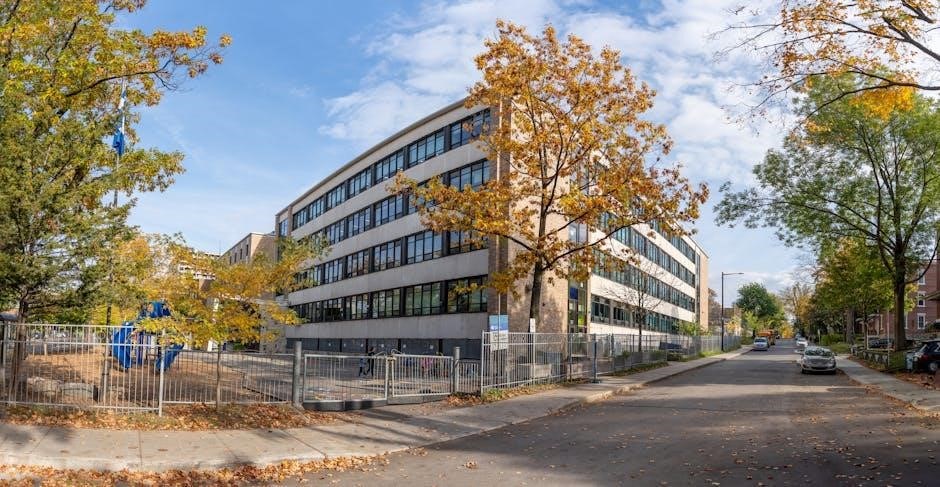
St. John’s, the capital city of Newfoundland and Labrador, stands as North America’s oldest city, steeped in history and brimming with vibrant culture. Perched on the eastern tip of the island, its colorful row houses cascade down the hills towards the harbor, creating a picturesque cityscape. Historically a vital port for European fishing fleets, St. John’s retains a strong maritime character.
The city boasts a thriving arts scene, numerous historical sites like Signal Hill, and a lively downtown area filled with pubs and restaurants. Its unique geographical location contributes to frequent fog and dramatic weather patterns. St. John’s serves as a crucial economic and cultural hub for the province, attracting visitors and fostering a strong sense of community.
Nova Scotia: Ocean Playground
Nova Scotia, affectionately known as the “Ocean Playground,” is one of Canada’s Maritime provinces, renowned for its stunning coastline and rich maritime heritage. Surrounded by the Atlantic Ocean on three sides, it offers breathtaking views, rugged cliffs, and sandy beaches. Historically, Nova Scotia played a significant role in Canadian history, being one of the original British colonies.
The province’s economy is driven by fishing, tourism, and natural resources. It’s celebrated for its Celtic culture, vibrant music scene, and delicious seafood. From the historic Citadel Hill in Halifax to the picturesque fishing villages along the coast, Nova Scotia provides a unique blend of natural beauty and cultural experiences, attracting visitors from around the globe.
Nova Scotia’s Capital City: Halifax
Halifax, the capital of Nova Scotia, is a vibrant port city steeped in history and brimming with modern energy. Situated on the Atlantic coast, it serves as a major economic and cultural hub for the Maritime provinces. Historically significant as a key naval base, Halifax boasts a strong military presence and a fascinating waterfront.
The city offers a diverse range of attractions, including the iconic Halifax Citadel National Historic Site, bustling boardwalks, and numerous museums. Its thriving arts scene, coupled with a lively music and culinary landscape, makes it a popular destination. Halifax is also a major educational center, home to several universities, contributing to its youthful and dynamic atmosphere.
Ontario: Canada’s Most Populous Province
Ontario stands as Canada’s most populous province, a dynamic and diverse region central to the nation’s economic and political landscape. Bordering the Great Lakes and the United States, it’s a hub for manufacturing, finance, and technology. The province showcases a remarkable blend of urban centers and vast natural beauty, from the bustling metropolis of Toronto to the serene landscapes of Algonquin Provincial Park.
Ontario’s cultural mosaic reflects its rich history and ongoing immigration, creating a vibrant and inclusive society. Agriculture thrives in the southern regions, while the northern areas are characterized by forests and mineral wealth. It’s a province of significant influence, driving innovation and shaping Canada’s identity.
Ontario’s Capital City: Toronto
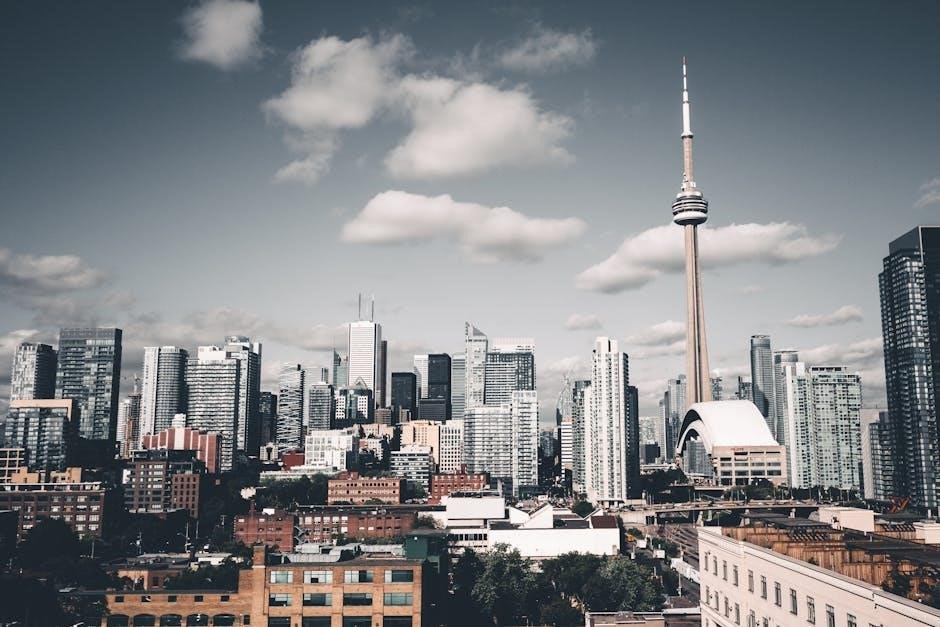
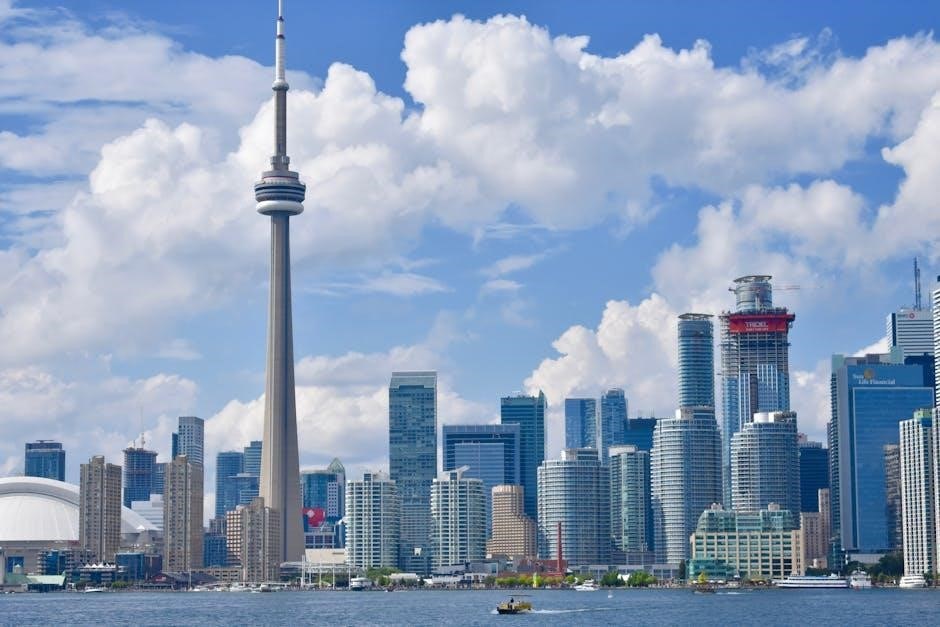
Toronto, Ontario’s vibrant capital, is Canada’s largest city and a global hub for finance, arts, and culture. A multicultural metropolis, it boasts a diverse population and a thriving economy, attracting people from all corners of the world. Iconic landmarks like the CN Tower and Royal Ontario Museum define its skyline, while neighborhoods like Kensington Market and Yorkville offer unique experiences.
Toronto’s influence extends beyond Canada, serving as a major center for international business and innovation. The city’s robust transportation network, coupled with its world-class amenities, makes it a desirable destination for both residents and visitors. It’s a dynamic and ever-evolving urban center.
Prince Edward Island: The Garden Province
Prince Edward Island (PEI), Canada’s smallest province, earns its nickname “The Garden Province” from its fertile red soil and picturesque agricultural landscapes. Known for its rolling hills, sandy beaches, and charming rural communities, PEI offers a tranquil escape. The island’s economy is heavily reliant on agriculture, particularly potato farming, and tourism.
PEI’s relaxed pace of life and stunning natural beauty attract visitors seeking a peaceful getaway. The province is also famously associated with Lucy Maud Montgomery’s novel, Anne of Green Gables, drawing literary enthusiasts from around the globe. Its coastal scenery and friendly atmosphere make it a unique Canadian destination.
Prince Edward Island’s Capital City: Charlottetown
Charlottetown, the capital city of Prince Edward Island, is a vibrant hub steeped in history and culture. Situated on the southern coast, it’s a charming city known for its Victorian architecture and waterfront views. As the political and economic center of PEI, Charlottetown hosts the provincial legislature and numerous government offices.
The city played a pivotal role in Canadian Confederation, hosting the Charlottetown Conference in 1864, a key event leading to the formation of Canada. Today, Charlottetown offers a thriving arts scene, diverse culinary experiences, and a welcoming atmosphere. Visitors can explore historic sites, enjoy live performances, and stroll along the scenic harborfront.
Quebec: A Distinctive Culture
Quebec stands as a uniquely Francophone province, deeply rooted in French-Canadian heritage and culture. It’s the largest province by area in Canada, and its distinct identity is reflected in its language, laws, and traditions. Quebec’s culture is a vibrant blend of European influences and Indigenous heritage, creating a captivating atmosphere.
The province boasts a rich artistic landscape, with thriving music, theatre, and visual arts scenes. Quebec City, a UNESCO World Heritage site, showcases stunning architecture and historical landmarks. Beyond its cultural richness, Quebec offers diverse landscapes, from the Laurentian Mountains to the St. Lawrence River valley, attracting visitors year-round.
Quebec’s Capital City: Quebec City
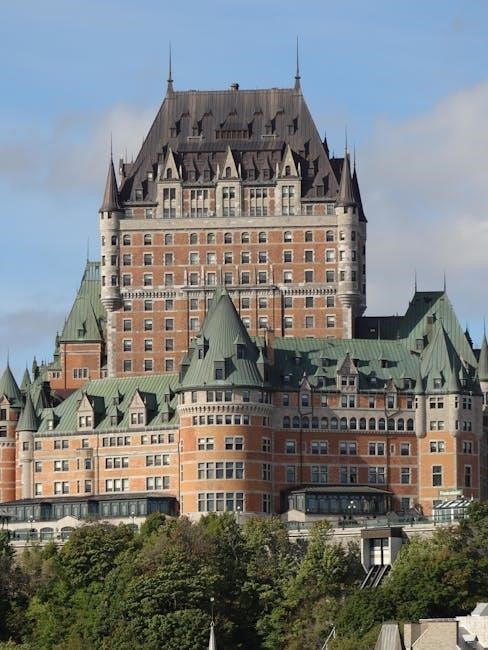
Quebec City, the capital of Quebec, is a historic and culturally rich destination, renowned for its European charm. As a UNESCO World Heritage site, it’s the only walled city north of Mexico in North America, showcasing well-preserved fortifications. Old Quebec, with its cobblestone streets and historic buildings, transports visitors back in time.
Dominating the skyline is the iconic Château Frontenac, a grand hotel offering breathtaking views of the St. Lawrence River. The city hosts numerous festivals and events throughout the year, celebrating its vibrant culture. Beyond its historical significance, Quebec City offers modern amenities, diverse culinary experiences, and a welcoming atmosphere for all.
Saskatchewan: Land of Living Skies
Saskatchewan, often called the “Land of Living Skies,” is a prairie province known for its vast, open landscapes and dramatic weather patterns. Its name originates from the Cree word “kisaskatchewan,” meaning “river that flows quickly.” Agriculture dominates the province’s economy, particularly wheat farming, contributing significantly to Canada’s grain production.
Saskatchewan offers a unique blend of natural beauty and cultural attractions. The province boasts numerous lakes, provincial parks, and grasslands, providing opportunities for outdoor recreation. It’s also home to significant paleontological sites, revealing remnants of ancient life. The province’s history is deeply rooted in Indigenous culture and pioneer settlement, shaping its identity.
Saskatchewan’s Capital City: Regina
Regina, the capital city of Saskatchewan, is a vibrant urban center situated in the southern part of the province. Often called the “Queen City,” Regina serves as a major transportation, distribution, and service hub for the surrounding agricultural region. The city’s name originates from Queen Victoria, as it was originally named Regina in 1882.
Regina offers a diverse range of cultural and recreational attractions, including the Royal Saskatchewan Museum, the Saskatchewan Science Centre, and Wascana Centre, a large urban park. The city also hosts the Canadian Western Agribition, a major agricultural exhibition. Regina’s economy is driven by government, education, and industries related to energy and agriculture.
Canada’s Three Territories
Canada’s three territories – Nunavut, the Northwest Territories, and Yukon – represent the northernmost regions of the country, characterized by vast landscapes and unique cultural identities. Unlike provinces, territories exercise powers delegated by the federal government. These areas generally have smaller populations and economies heavily reliant on natural resources and government services.
The territories are situated closer to the Arctic Circle, experiencing harsh climates and permafrost. They hold significant importance for Indigenous peoples, who have inhabited these lands for millennia. Tourism, mining, and research are growing sectors, but challenges remain regarding infrastructure and sustainable development. Collectively, they are often referred to as “The North.”
Nunavut: Canada’s Newest Territory
Nunavut, meaning “our land” in Inuktitut, is Canada’s largest and newest territory, officially established in 1999. Carved from the eastern portion of the Northwest Territories, its creation was a landmark achievement for the Inuit people, granting them significant self-governance. The territory spans a vast area of Arctic and subarctic land, encompassing parts of the Canadian Arctic Archipelago.
Its population is predominantly Inuit, and Inuktitut is an official language alongside English and French. Iqaluit serves as the capital city, though it’s a relatively small urban center. Nunavut’s economy relies heavily on government employment, mining, and traditional activities like hunting and fishing. The territory faces unique challenges related to climate change and infrastructure development.
Nunavut’s Capital City: Iqaluit
Iqaluit, meaning “many fish” in Inuktitut, is the capital of Nunavut, situated on Baffin Island. Though relatively small, with a population of around 7,740 (2021), it serves as the territory’s administrative, economic, and transportation hub. Originally a strategic site for military operations during World War II and the Cold War, it transformed into a civilian settlement in the mid-20th century.
Iqaluit Airport is a crucial link connecting Nunavut to the rest of Canada. The city’s economy is driven by government services, tourism, and arts & crafts. It boasts a unique blend of modern infrastructure and traditional Inuit culture, attracting visitors interested in experiencing the Arctic lifestyle. Challenges include the high cost of living and limited infrastructure.
Northwest Territories: Vast and Untamed
The Northwest Territories (NWT) encompass a massive area of boreal forest, tundra, and mountains, characterized by a sparse population and immense natural beauty. Covering approximately 1.35 million square kilometers, it’s significantly larger than many countries, yet home to just over 45,000 residents. Yellowknife serves as its capital and largest city, a hub for diamond mining and government administration.
Historically inhabited by Indigenous peoples for millennia, the NWT played a pivotal role in the fur trade and later, the Klondike Gold Rush. Today, the territory balances resource development with preserving its unique environment and Indigenous cultures. Its vastness presents logistical challenges, but also offers unparalleled opportunities for outdoor adventure and experiencing the raw power of the Canadian North.
Northwest Territories’ Capital City: Yellowknife
Yellowknife, situated on the north shore of Great Slave Lake, is the capital and only city in the Northwest Territories. Founded during the 1930s gold rush, it quickly became a transportation and communications hub for the region. Today, with a population of around 20,000, Yellowknife thrives as a center for diamond mining, government services, and tourism.
The city offers a unique blend of modern amenities and wilderness accessibility. Visitors can experience the magic of the Aurora Borealis, explore the surrounding lakes and forests, and learn about the rich Indigenous cultures of the area. Yellowknife’s vibrant arts scene, diverse culinary offerings, and friendly atmosphere make it a captivating destination in the Canadian North.
Yukon: The Klondike Gold Rush Territory
Yukon, a territory defined by its rugged mountains, vast boreal forests, and the legacy of the Klondike Gold Rush, holds a unique place in Canadian history. The late 19th-century gold rush dramatically transformed the region, attracting prospectors from around the globe and establishing settlements like Dawson City. Today, Yukon’s economy is driven by mining, tourism, and government services.
Characterized by its remote wilderness and stunning natural beauty, Yukon offers unparalleled opportunities for outdoor adventure. From hiking and kayaking to wildlife viewing and experiencing the midnight sun, the territory captivates visitors with its untamed landscapes. Its small population and strong Indigenous presence contribute to a distinctive cultural identity.
Yukon’s Capital City: Whitehorse
Whitehorse, nestled along the Yukon River, serves as the vibrant capital of Yukon Territory. Originally a trading post and later a key supply hub during the Klondike Gold Rush, Whitehorse has evolved into a modern city while retaining its frontier spirit. It’s the largest city in Yukon, functioning as the territory’s transportation, communication, and economic center.
The city offers a blend of urban amenities and easy access to the surrounding wilderness. Attractions include the MacBride Museum of Yukon History, showcasing the region’s rich heritage, and the S.S. Klondike, a restored sternwheeler. Whitehorse provides a gateway to outdoor adventures, with numerous trails for hiking, biking, and cross-country skiing readily accessible.
Provinces and Capitals: Quick Reference Table
Canada’s provincial and territorial structure is easily summarized with a quick reference table. Alberta’s capital is Edmonton, while British Columbia’s is Victoria. Manitoba is governed from Winnipeg, and New Brunswick’s capital is Fredericton. Newfoundland and Labrador’s seat of government is St. John’s, and Nova Scotia’s is Halifax.
Ontario’s capital is Toronto, and Quebec’s is Quebec City. Prince Edward Island’s capital is Charlottetown, Saskatchewan’s is Regina, and New Brunswick’s is Fredericton. For the territories, Nunavut’s capital is Iqaluit, the Northwest Territories’ is Yellowknife, and Yukon’s is Whitehorse. This table provides a concise overview of Canada’s governmental centers.
Standard Abbreviations for Canadian Provinces
Utilizing standard abbreviations for Canadian provinces is crucial for concise communication and data representation. Alberta is officially abbreviated as AB, while British Columbia uses BC. Manitoba is represented by MB, and New Brunswick is NB. Newfoundland and Labrador is designated as NL, and Nova Scotia employs NS.
Ontario’s standard abbreviation is ON, and Quebec is QC. Prince Edward Island uses PE, and Saskatchewan is SK. These two-letter codes are widely accepted in official documents, postal services, and data processing systems across Canada. Consistent use of these abbreviations ensures clarity and efficiency in various applications, simplifying geographical references.