
Independence Day Parents’ Guide: A Comprehensive Overview
Independence Day in schools is a vibrant learning experience‚ fostering patriotism and honoring freedom fighters through planned‚ engaging activities for students.
Understanding the Significance of Independence Day
Independence Day‚ celebrated annually on August 15th‚ commemorates India’s liberation from British rule in 1947. It’s a day to reflect on the sacrifices made by countless freedom fighters who bravely fought for our nation’s sovereignty. For children‚ understanding this significance is crucial for developing a sense of national pride and civic responsibility.
This day isn’t merely a holiday; it represents the culmination of years of struggle‚ resilience‚ and unwavering determination. It’s a time to appreciate the values of freedom‚ democracy‚ and unity that underpin our nation. Schools play a vital role in instilling these values in young minds‚ making Independence Day a powerful educational opportunity.
By understanding the historical context and the meaning behind the celebrations‚ children can develop a deeper connection to their country and its heritage.
Historical Context: The Road to Freedom
India’s journey to independence was a long and arduous one‚ marked by decades of struggle against colonial rule. The seeds of rebellion were sown long before 1947‚ with numerous uprisings and movements challenging British authority. Key figures like Mahatma Gandhi‚ Jawaharlal Nehru‚ and Subhas Chandra Bose led the charge‚ employing diverse strategies – from non-violent resistance to armed struggle.
The Indian National Congress played a pivotal role‚ advocating for self-governance and mobilizing public opinion. Events like the Jallianwala Bagh massacre and the Quit India Movement intensified the demand for freedom. Understanding this historical context helps children appreciate the sacrifices made by previous generations.
It emphasizes that freedom wasn’t simply granted‚ but earned through relentless effort and unwavering commitment to a shared vision of an independent India.
School Celebrations: What to Expect
School Independence Day celebrations are typically vibrant and patriotic events designed to instill a sense of national pride in students. Expect a day filled with structured activities‚ often beginning with a formal flag hoisting ceremony accompanied by the singing of the national anthem – Jana Gana Mana; These ceremonies are usually presided over by the school principal or a respected guest.
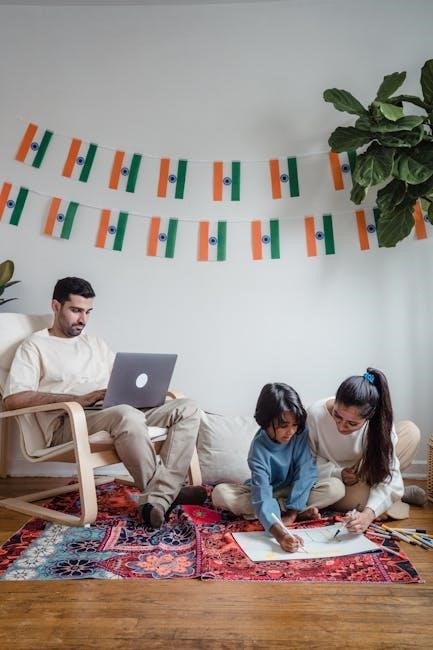
Following the formalities‚ students can anticipate a range of cultural programs‚ including patriotic songs‚ dances‚ and skits depicting scenes from India’s freedom struggle. Speeches delivered by students and teachers often highlight the importance of freedom and the contributions of national heroes.
Many schools also organize parades or marches‚ showcasing student participation and school spirit.
Common School Activities & Their Educational Value
Schools employ diverse activities to commemorate Independence Day‚ each offering unique educational benefits. The flag hoisting ceremony and national anthem instill respect for national symbols and foster a sense of unity. Cultural programs – dances‚ skits‚ and patriotic songs – encourage creativity‚ teamwork‚ and an appreciation for India’s rich heritage.
Speeches and presentations on freedom fighters aren’t merely historical recounts; they cultivate critical thinking‚ research skills‚ and an understanding of sacrifice. These activities promote empathy and inspire students to value the freedoms they enjoy.
Participation builds confidence‚ public speaking skills‚ and a deeper connection to India’s journey to independence.

Flag Hoisting Ceremony & National Anthem
The flag hoisting ceremony is a central and deeply symbolic event during Independence Day celebrations. It represents India’s sovereignty and the sacrifices made to achieve freedom. Witnessing the tricolor rise instills a sense of national pride and patriotism in young hearts.
Simultaneously‚ the singing of the National Anthem‚ “Jana Gana Mana‚” is a powerful expression of unity and respect for the nation. It’s an opportunity for students to understand the significance of national identity and collective belonging.
Encourage your child to participate respectfully‚ understanding the anthem’s meaning and the flag’s importance.
Cultural Programs: Dances‚ Skits & Patriotic Songs
School Independence Day celebrations often feature vibrant cultural programs showcasing student talent and patriotic fervor. These programs typically include traditional dances representing India’s diverse culture‚ skits depicting stories of freedom fighters‚ and heartfelt renditions of patriotic songs.
These performances aren’t merely entertainment; they’re powerful educational tools. They help children connect with India’s history‚ appreciate its artistic heritage‚ and internalize the values of courage‚ sacrifice‚ and unity.
Encourage your child’s participation and help them understand the stories and messages conveyed through these artistic expressions‚ fostering a deeper appreciation for their nation.
Speeches & Presentations on Freedom Fighters
A cornerstone of Independence Day school events are speeches and presentations dedicated to honoring India’s freedom fighters. Students often research and present on the lives‚ struggles‚ and contributions of these national heroes‚ fostering respect and gratitude.
These presentations aren’t just about memorizing dates and names; they aim to instill an understanding of the sacrifices made to achieve independence. Teachers guide students to explore the ideologies and motivations of these leaders.
Discuss these figures with your child at home‚ encouraging them to reflect on the values these freedom fighters embodied and how those values remain relevant today.
Preparing Your Child for Independence Day Celebrations
As Independence Day approaches‚ proactively preparing your child enhances their understanding and appreciation of the occasion. Begin by discussing the significance of the day – it’s not just a holiday‚ but a commemoration of freedom and sacrifice.
Engage in conversations about what they might experience at school‚ like the flag hoisting or cultural programs. This reduces anxiety and builds excitement. Help them understand the importance of respectful participation.
Most importantly‚ lay the groundwork for meaningful reflection by initiating age-appropriate discussions about India’s history and the values of independence and unity.
Discussing the Meaning of Independence with Children
Explaining Independence Day to children requires tailoring the conversation to their age and comprehension level. For younger children‚ focus on the idea of freedom – being able to make choices and live without being told what to do constantly. Connect this to their own lives‚ like choosing their clothes or playtime activities.
With older children‚ delve deeper into the historical context‚ explaining that freedom wasn’t simply given‚ but earned through the sacrifices of many brave individuals. Emphasize the importance of respecting this freedom and using it responsibly.
Highlight the values of unity and patriotism‚ explaining how these concepts contribute to a strong and thriving nation.
Age-Appropriate Explanations of India’s History
Presenting India’s history to children demands sensitivity to their developmental stage. For preschoolers‚ simple stories about courageous leaders like Mahatma Gandhi‚ focusing on peace and non-violence‚ are ideal. Avoid complex political details; instead‚ emphasize the desire for self-rule.
Elementary school children can grasp basic concepts of colonialism and the struggle for independence. Explain how people worked together to achieve freedom‚ highlighting key events like the Salt March.
Teenagers can handle more nuanced discussions about the complexities of the independence movement‚ including its challenges and consequences. Encourage critical thinking and exploration of diverse perspectives.
What to Pack for School on Independence Day
Preparing for Independence Day at school requires a bit more than the usual backpack essentials. Alongside notebooks and stationery‚ pack a water bottle to stay hydrated‚ especially during outdoor events. A small‚ healthy snack is also advisable‚ as celebrations can be energy-intensive.
Check if the school permits bringing small Indian flags – a patriotic accessory! If your child participates in a performance‚ ensure their costume or any props are packed securely. Don’t forget any necessary sunscreen or hats for sun protection during outdoor activities.
A basic first-aid kit with band-aids is always a good idea‚ just in case of minor scrapes.
Dress Code & Accessories: Showing Patriotic Spirit
Most schools encourage students to wear attire reflecting India’s national colors – saffron‚ white‚ and green – on Independence Day. This could be a simple tricolor ribbon‚ a band‚ or clothing incorporating these shades. Khadi clothing is often favored‚ representing self-reliance and Indian heritage.
Check with your child’s school for specific dress code guidelines; some may request a complete uniform with tricolor accessories. Small Indian flags are a popular and respectful accessory‚ but ensure they are handled with dignity.
Avoid overly elaborate or distracting accessories that might disrupt school activities. Comfortable footwear is essential for a day filled with events!
Food & Snacks: What’s Allowed & Recommended
School policies regarding food and snacks on Independence Day vary‚ so checking with the teachers is crucial. Many schools discourage bringing sugary drinks and processed snacks‚ promoting healthier options instead.
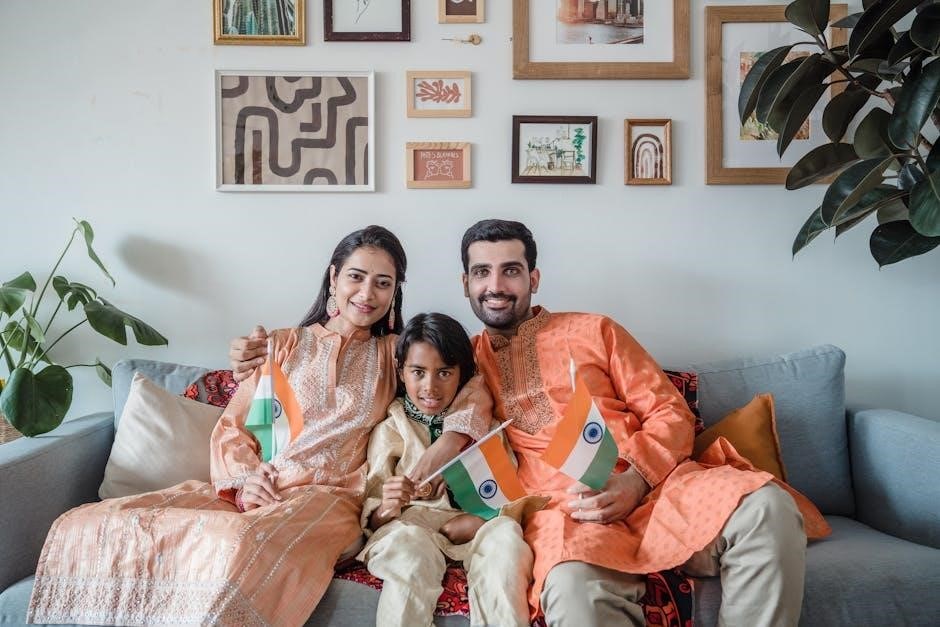
Homemade snacks like chivda‚ fruit salads‚ or simple sandwiches are often welcomed. Ensure any food brought is nut-free‚ considering potential allergies among classmates. Individually packed snacks are generally preferred for hygiene and easy distribution.
Some schools may organize a shared snack arrangement‚ where each student contributes a small‚ healthy item. Avoid sending anything messy or requiring extensive preparation during school hours.
Safety Considerations During School Events
Prioritize your child’s safety during Independence Day school events‚ which often involve large gatherings. Confirm the school’s crowd management plan‚ ensuring adequate supervision by teachers and volunteers.
Familiarize yourself with the school’s first aid and emergency procedures; locate the designated first aid station. Discuss with your child what to do if they get separated – identifying a trusted adult to approach.
Ensure your child understands basic safety rules‚ like staying with their class and avoiding running in crowded areas. Check if the school has specific guidelines regarding personal belongings and valuables. Knowing these details provides peace of mind;
Crowd Management & Supervision
Effective crowd management is crucial during Independence Day celebrations‚ given the potential for large student and parent attendance. Schools should implement a clear system for organizing students‚ utilizing designated areas for different classes or age groups.
Adequate supervision is paramount; teachers and volunteers should be strategically positioned throughout the event space to monitor student behavior and ensure safety. A buddy system can be encouraged among students to promote mutual responsibility.
Clear communication channels between staff members are essential for quick response to any incidents. Designated personnel should be responsible for managing entry and exit points‚ preventing overcrowding and maintaining order.
First Aid & Emergency Procedures
A well-equipped first aid station‚ staffed by qualified personnel‚ is non-negotiable during Independence Day school events. This station should contain essential supplies like bandages‚ antiseptic wipes‚ pain relievers‚ and emergency contact information for all students.
Schools must have a clear emergency evacuation plan in place‚ practiced beforehand with both students and staff. This plan should outline procedures for various scenarios‚ including medical emergencies‚ fire‚ or security threats.
Parents should be informed about the school’s emergency procedures and designated contact persons. Quick access to emergency services‚ like ambulances‚ should be ensured‚ and communication protocols established for swift response.
Extending the Celebration at Home
Continue the patriotic spirit at home with family activities that reinforce the values learned on Independence Day. Engage in discussions about freedom‚ responsibility‚ and the sacrifices made by our nation’s heroes.
Watching Independence Day parades and events on television together can be a shared experience‚ sparking further conversations about Indian history and culture. Consider creating patriotic crafts‚ like tricolor decorations or painting freedom fighter portraits.
Cooking traditional Indian dishes as a family can also be a fun and educational way to celebrate. Share stories about your family’s connection to India and its independence struggle‚ fostering a sense of national pride.
Family Activities to Reinforce Patriotic Values
Strengthen patriotic feelings through engaging family activities that go beyond the holiday itself. Organize a storytelling session where each member shares what freedom means to them‚ fostering open communication and understanding.
Create a family “pledge” towards responsible citizenship‚ outlining ways to contribute positively to the community. Watch documentaries or historical films together‚ followed by discussions about the events depicted and their significance.
Engage in a creative project‚ like writing patriotic poems or composing a family song celebrating India’s independence. Visiting local historical sites or monuments can provide a tangible connection to the past‚ enriching the learning experience.
Watching Independence Day Parades & Events on TV
Enjoy the spectacle of Independence Day from the comfort of your home by watching televised parades and official events as a family. This offers a convenient way to witness the national celebrations‚ especially for younger children or those unable to attend in person.
Discuss the symbolism of the parade floats‚ the marching bands‚ and the displays of national pride with your children‚ explaining the significance of each element. Use the opportunity to point out key figures and events highlighted during the broadcast.
Encourage children to express their feelings about what they are watching‚ fostering a sense of national identity and belonging. Supplement the viewing with related educational materials for a more enriching experience.
Resources for Further Learning
Extend your child’s understanding of Independence Day beyond the celebrations with a wealth of readily available educational resources. Numerous books detail India’s struggle for freedom‚ offering age-appropriate narratives of key events and figures. Consider biographies of freedom fighters like Mahatma Gandhi‚ Jawaharlal Nehru‚ and Rani Lakshmibai.
Documentaries provide visual insights into the historical context‚ bringing the past to life. Explore online educational platforms offering interactive lessons‚ quizzes‚ and videos specifically designed for children. Websites dedicated to Indian history and culture can further enrich their knowledge.
Libraries and educational websites are excellent starting points for discovering these valuable learning tools‚ fostering a deeper appreciation for India’s independence.
Books & Documentaries on Indian Independence
Introduce your children to the captivating story of India’s independence through carefully selected books and documentaries. For younger readers‚ picture books illustrating key events and figures can spark initial interest. Biographies tailored for children offer accessible accounts of freedom fighters’ lives and sacrifices.
Documentaries‚ like those produced by Doordarshan or available on educational platforms‚ provide visual narratives of the independence movement. Look for films that showcase historical footage and expert interviews. Ensure content is age-appropriate‚ focusing on inspiring stories rather than graphic depictions.
These resources cultivate a deeper understanding and appreciation for the struggles and triumphs that shaped modern India.
Online Educational Resources for Children
Supplement traditional learning with a wealth of online resources designed to engage children with India’s independence history. Numerous websites offer interactive timelines‚ quizzes‚ and animated stories that bring the past to life. Educational platforms like National Geographic Kids and BBC Bitesize often feature relevant content.

Explore virtual museum tours showcasing artifacts from the independence era. YouTube channels dedicated to history provide informative videos‚ but parental supervision is crucial to ensure age-appropriateness. Interactive games can make learning fun and reinforce key concepts.
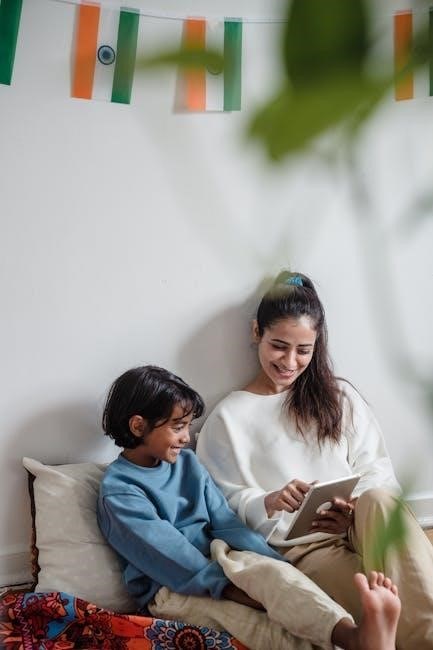
These digital tools offer a dynamic and accessible way to expand your child’s knowledge and foster a sense of national pride.
Addressing Difficult Questions About History
Independence Day often sparks curiosity‚ leading to challenging questions about India’s past. Be prepared to discuss complex topics like partition‚ colonialism‚ and the struggles for freedom with honesty and sensitivity. Avoid overly simplistic narratives; acknowledge the nuances and differing perspectives.
If you don’t know an answer‚ admit it and offer to research together. Focus on empathy and understanding the human cost of historical events. Encourage critical thinking by asking open-ended questions.
Remember‚ age-appropriate language is key. Frame discussions in a way that fosters respect for all involved and promotes a deeper understanding of our nation’s journey.
Dealing with Overstimulation & Sensory Issues
Independence Day celebrations can be overwhelming for children with sensory sensitivities. Loud noises from parades‚ large crowds‚ and bright colors can trigger anxiety or discomfort. Prepare your child by discussing the event beforehand and outlining potential sensory challenges.
Bring noise-canceling headphones‚ sunglasses‚ or a familiar comfort item. Identify quiet spaces where your child can retreat if needed. Allow for frequent breaks and don’t force participation in activities that cause distress.
Communicate your child’s needs to school staff and ensure they are aware of any accommodations required. Prioritize your child’s well-being and create a positive experience.
The Importance of Respecting the National Flag
The Indian National Flag‚ the Tiranga‚ represents our nation’s pride and sacrifices. Teaching children to respect it is crucial for instilling patriotic values. Explain that the flag symbolizes freedom‚ courage‚ and unity‚ earned through the struggles of our ancestors.
Discuss the Flag Code of India‚ emphasizing proper display and handling. Never let the flag touch the ground‚ and avoid using it for decorative purposes that diminish its dignity. Explain the significance of the saffron‚ white‚ and green bands‚ and the Ashoka Chakra.
Lead by example‚ demonstrating reverence for the flag during celebrations and national events. Encourage respectful participation in flag hoisting ceremonies.
Teaching Children About Responsible Citizenship
Independence Day is an ideal moment to discuss the duties that come with the rights of freedom. Responsible citizenship begins with understanding and respecting our nation’s laws and contributing positively to society.
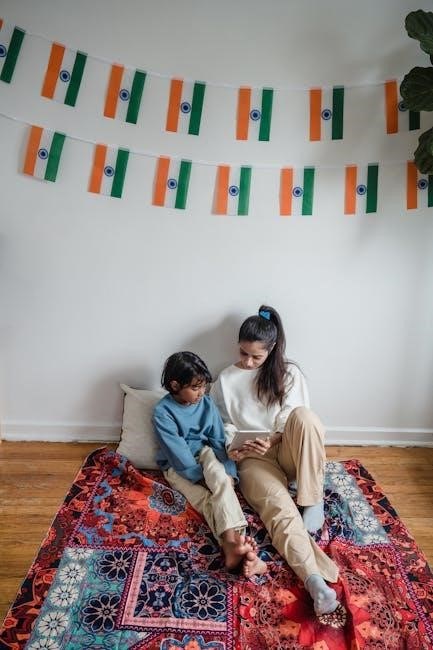
Explain the importance of civic participation – voting when they are old enough‚ respecting public property‚ and being mindful of the environment. Discuss how even small actions‚ like keeping their surroundings clean‚ demonstrate responsible behavior.
Encourage empathy and respect for all citizens‚ regardless of their background. Highlight the values of honesty‚ integrity‚ and fairness. Instill a sense of community and the importance of working together for a better India.
Celebrating Independence Day Beyond the Holiday
The spirit of Independence Day shouldn’t fade after August 15th; it’s a year-round commitment to patriotic values. Continue discussions about India’s history‚ culture‚ and the sacrifices made for freedom throughout the year.
Encourage your child to learn about different states‚ languages‚ and traditions within India‚ fostering a sense of national unity. Support initiatives that promote social responsibility and community service.
Visit historical sites and museums together‚ bringing history to life. Read books and watch documentaries about India’s journey to independence and its ongoing progress. Celebrate the spirit of freedom by embracing diversity and promoting inclusivity in everyday life.