
The Book: The Ultimate Guide to Rebuilding Civilization ‒ An Overview
The Ultimate Guide to Rebuilding Civilization is a comprehensive, 400-page encyclopedia blending historical knowledge with practical skills, presented through captivating illustrations.
It serves as both a field guide and a thought experiment, questioning our reliance on complex systems and exploring the foundations of a self-sufficient society.
What is “The Book”?
“The Book”, formally titled “The Ultimate Guide to Rebuilding Civilization”, is a meticulously crafted compendium designed to equip individuals with the foundational knowledge necessary to restart society following a catastrophic event, or simply to foster greater self-reliance.
It’s more than just a survival manual; it’s a richly illustrated encyclopedia spanning numerous disciplines, aiming to distill essential information into an accessible format. The book isn’t focused on predicting disaster, but rather on preparing for a world where modern infrastructure and global supply chains are unavailable.
Described as a blend of encyclopedic detail and a “fever dream” aesthetic, it challenges readers to consider how much they truly understand about the everyday objects and systems they take for granted. Could one recreate basic necessities – like bread, a boat, or even a camera – without the support of modern industry? This is the core question “The Book” implicitly poses.
It’s a unique artifact, a knowledge encyclopedia, and an inspirational resource for adults seeking a deeper understanding of the world around them.
Core Concept: Knowledge Preservation
At its heart, “The Book” champions the preservation of knowledge as the cornerstone of societal resilience. The central premise revolves around the alarming fragility of modern expertise – how easily it can be lost with the disruption of established systems and specialized industries.
The guide isn’t simply about how to rebuild, but about ensuring that the knowledge of how to rebuild isn’t lost in the first place. It acknowledges that much of our contemporary skillset is highly specialized and dependent on complex infrastructure.
By consolidating essential information across diverse fields – from medicine and agriculture to engineering and governance – “The Book” aims to create a readily accessible repository of practical skills. This isn’t about returning to a primitive state, but about retaining the capacity for progress even in the face of adversity. It’s a meta-commentary on our dependence and a call to reclaim fundamental understanding.
Ultimately, it’s a safeguard against intellectual collapse.
Target Audience & Appeal
“The Book” primarily appeals to adults with an interest in science, history, and self-sufficiency. It’s marketed as an “inspirational science book” and a unique artifact for those fascinated by practical knowledge and preparedness. The appeal extends to individuals pondering the complexities of modern civilization and its potential vulnerabilities.
Husbands, family members, and those seeking distinctive gifts often find it particularly appealing. The book’s blend of encyclopedic detail and artistic presentation broadens its reach beyond purely technical audiences.

It attracts those intrigued by “what if” scenarios – the thought experiment of rebuilding society from first principles. The positive customer feedback highlights excellent customer service and a smooth purchasing experience, indicating satisfaction beyond the content itself. It’s a book for curious minds and proactive thinkers.
It sparks imagination and encourages a deeper understanding of the world around us.
Content & Structure of the Guide
“The Book” meticulously structures over 400 pages of detailed discoveries, covering essential areas like medicine, engineering, farming, and societal governance for rebuilding.
Total Page Count & Format
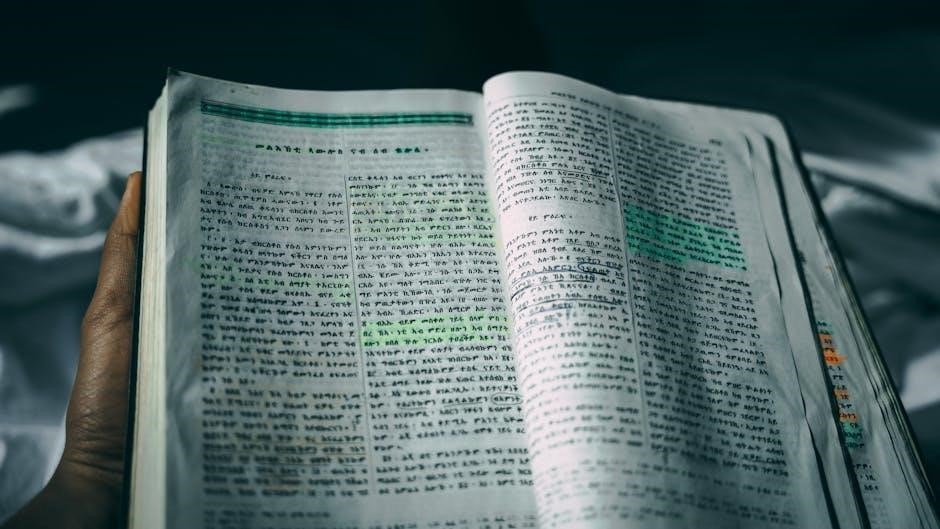
“The Book: The Ultimate Guide to Rebuilding Civilization” boasts an impressive total page count of over 400 pages. This substantial length allows for a surprisingly broad scope of knowledge to be contained within a single volume, making it a truly comprehensive resource. The format is designed to be both informative and visually engaging, eschewing a purely text-heavy approach.
Instead, the guide skillfully integrates detailed textual explanations with a wealth of illustrative material. This combination aims to enhance understanding and retention, catering to a variety of learning styles. The physical presentation of the book is also noteworthy, drawing inspiration from historical manuscripts, as noted in reviews. It’s not simply a modern textbook; it’s designed to feel like a repository of essential knowledge, a tangible artifact of a lost or forgotten age, ready to be rediscovered and applied.
Main Areas of Knowledge Covered
“The Book” ambitiously covers a vast spectrum of essential knowledge domains, crucial for establishing a functioning society from the ground up. These areas are thoughtfully categorized to provide a structured learning experience. Core subjects include Medicine & Healthcare, offering foundational medical knowledge, alongside Basic Materials & Engineering, detailing resource acquisition and construction techniques.
Further sections delve into Mechanisms & Simple Machines, Military Arts & Defense, and the practicalities of Hearth & Home: Domestic Life. Essential survival skills like Farming & Agriculture are also prominently featured, ensuring food security. Recognizing the importance of well-being, the guide also includes Entertainment & Leisure, Musical Instruments & Arts, and finally, the complexities of Society & Governance, providing a holistic approach to rebuilding civilization.
Medicine & Healthcare
“The Book” dedicates significant attention to Medicine & Healthcare, recognizing its paramount importance in any rebuilding effort. This section focuses on foundational medical knowledge, aiming to equip readers with the ability to address common ailments and injuries without relying on modern pharmaceutical infrastructure.
Expect coverage of herbal remedies, wound care, basic anatomy, and disease prevention. While not intended to replace professional medical training, the guide provides essential information for maintaining health and treating illnesses in a resource-scarce environment. The approach is practical and emphasizes utilizing readily available natural resources for medicinal purposes, fostering self-sufficiency and resilience in healthcare.
Basic Materials & Engineering
“The Book”’s section on Basic Materials & Engineering is crucial for establishing a functional infrastructure. It details the sourcing, processing, and utilization of fundamental materials like wood, stone, clay, and metals – essential for construction, toolmaking, and crafting everyday objects.
The guide doesn’t just list materials; it explains how to transform raw resources into usable components. Expect detailed instructions on creating bricks, smelting ores, working with timber, and producing basic cements. This knowledge is presented with the clarity of engineering blueprints, emphasizing practical application and enabling readers to build structures and tools from the ground up, fostering self-reliance and sustainable practices.
Mechanisms & Simple Machines
“The Book” dedicates a significant portion to Mechanisms & Simple Machines, recognizing their foundational role in amplifying human capability. This section meticulously illustrates the principles behind levers, pulleys, gears, wheels, axles, and screws – the building blocks of more complex technologies.
Beyond theoretical explanations, the guide provides step-by-step instructions for constructing these mechanisms using readily available materials; Readers will learn how to build water-lifting devices, mills for grinding grain, and basic transportation systems. The emphasis is on understanding how things work, empowering individuals to repair, adapt, and innovate, ultimately reducing dependence on specialized manufacturing and fostering a culture of practical ingenuity.
Military Arts & Defense
“The Book” addresses Military Arts & Defense not as a glorification of conflict, but as a pragmatic necessity for safeguarding a rebuilding civilization. This section details the construction of fortifications – from simple palisades to more elaborate defensive structures – utilizing locally sourced materials. It covers the principles of siege warfare, both offensive and defensive, and the creation of basic weaponry.
The guide focuses on practical, low-tech solutions, including the crafting of bows, slings, and simple projectile weapons. Crucially, it emphasizes defensive strategies, community organization for defense, and the importance of early warning systems. The aim isn’t to promote aggression, but to equip communities with the knowledge to protect themselves and deter potential threats, ensuring survival and stability during a period of reconstruction.
Hearth & Home: Domestic Life
“The Book” dedicates significant attention to Hearth & Home: Domestic Life, recognizing that a functioning society begins with the ability to create comfortable and sustainable living spaces. This section details the construction of shelters using various materials – wood, stone, clay – and techniques for insulation and weatherproofing.
It provides instructions for crafting essential furniture, tools for cooking and food preservation, and methods for creating lighting solutions. The guide also covers sanitation practices, waste management, and the importance of maintaining a clean and healthy home environment. Emphasis is placed on resourcefulness, utilizing readily available materials and promoting self-sufficiency in meeting basic domestic needs, fostering a sense of community and well-being.
Farming & Agriculture
“The Book” extensively covers Farming & Agriculture, understanding that food production is paramount for rebuilding civilization. This section details various cultivation techniques, from basic soil preparation and seed selection to crop rotation and pest control – all without modern machinery or chemicals.
It illustrates methods for building irrigation systems, constructing storage facilities to preserve harvests, and raising livestock for food and labor. The guide emphasizes understanding local climates and ecosystems to maximize yields and ensure sustainable food sources. Furthermore, it explores traditional farming practices, offering knowledge on foraging for wild edibles and utilizing natural fertilizers, promoting resilience and long-term food security.
Entertainment & Leisure
“The Book” acknowledges that a thriving civilization requires more than just survival; it necessitates Entertainment & Leisure. This section details how to create diversions and foster community spirit without reliance on electricity or mass-produced goods.
It provides instructions for crafting board games, organizing storytelling events, and creating simple theatrical performances. The guide explores traditional forms of recreation, including riddles, puzzles, and communal singing. Crucially, it includes detailed plans for constructing Musical Instruments & Arts, fostering creativity and cultural expression. This section emphasizes the importance of maintaining morale and mental well-being during times of rebuilding, recognizing that joy and connection are essential for a flourishing society.
Musical Instruments & Arts
“The Book” dedicates significant attention to Musical Instruments & Arts, recognizing their vital role in cultural preservation and emotional well-being. It doesn’t just present the idea of art, but provides practical guidance on recreating instruments and artistic mediums from readily available materials.
Detailed instructions cover crafting flutes from reeds, constructing stringed instruments using natural fibers and wood, and creating pigments from plants and minerals for painting and illustration. The guide also explores basic sculpting techniques using clay and stone. This section isn’t about achieving artistic perfection, but about empowering individuals to express themselves and maintain cultural traditions, fostering a sense of community and shared identity during the rebuilding process. It’s a celebration of human creativity in the face of adversity.
Society & Governance
“The Book” addresses Society & Governance not by prescribing a specific political system, but by outlining fundamental principles for establishing stable and equitable communities. It explores historical models of governance – from tribal councils to early republics – analyzing their strengths and weaknesses in the context of rebuilding civilization.
The guide emphasizes the importance of establishing clear legal frameworks, dispute resolution mechanisms, and systems for resource allocation. It delves into concepts like consensus-building, the rule of law, and the protection of individual rights. Crucially, it stresses the need for adaptability and inclusivity, recognizing that a successful society must be responsive to the evolving needs of its members. It’s a pragmatic approach, focused on fostering cooperation and preventing the pitfalls of power imbalances.
Illustrative Style & Design
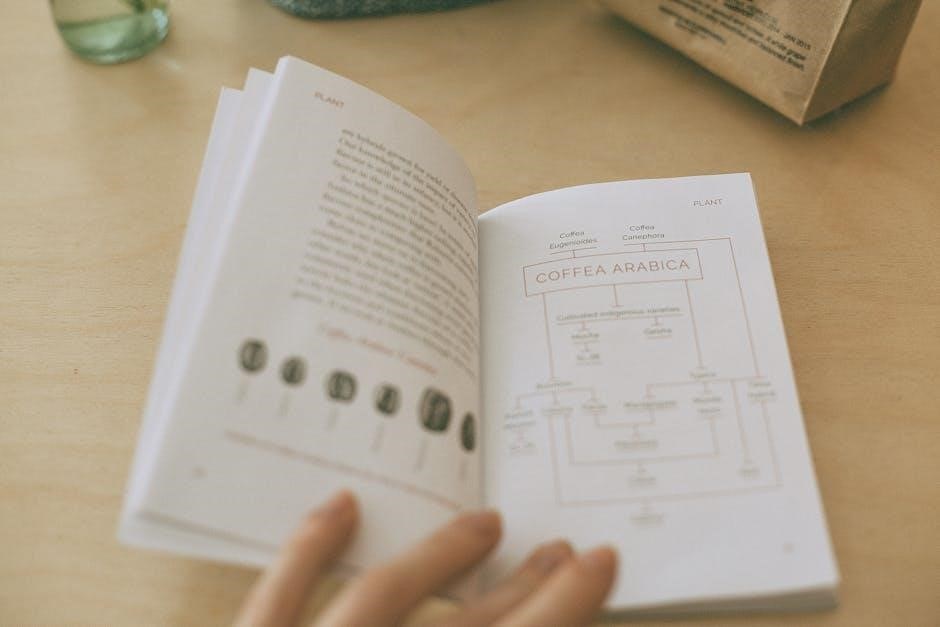
The book’s visuals uniquely merge the artistry of medieval manuscripts with the precise clarity of engineering blueprints, enhancing understanding and aesthetic appeal.
Medieval Manuscript Influence
The Ultimate Guide to Rebuilding Civilization deliberately draws inspiration from the aesthetic qualities of medieval manuscripts. This isn’t merely a stylistic choice; it’s a conscious effort to evoke a sense of enduring knowledge and handcrafted expertise. Medieval manuscripts, painstakingly created before the age of mass production, represent a dedication to preserving and transmitting information across generations.
The book’s illustrations echo this tradition through intricate details, ornate borders, and a generally artistic presentation. This approach subtly suggests that the knowledge contained within isn’t disposable or transient, but rather a valuable legacy to be cherished and carefully maintained. The visual style aims to create a sense of reverence for the skills and understanding required to rebuild a civilization, mirroring the dedication of the scribes and illuminators of the past. It’s a visual reminder of a time when knowledge was a precious and carefully guarded commodity.
Engineering Blueprint Clarity
Alongside the artistic influence of medieval manuscripts, The Ultimate Guide to Rebuilding Civilization incorporates the precise, diagrammatic clarity of engineering blueprints. This duality is intentional, balancing aesthetic appeal with practical functionality. While the manuscript style evokes a sense of history and tradition, the blueprint-like illustrations ensure that the information is readily understandable and applicable.
Complex mechanisms and processes are broken down into step-by-step visuals, resembling technical drawings. This allows readers to grasp the underlying principles and potentially recreate the described technologies. The goal is not simply to present knowledge, but to empower individuals with the ability to use that knowledge. This clarity is crucial for the book’s core premise – enabling a practical rebuilding of civilization, demanding precise understanding and replicable instructions.
Visual Learning & Comprehension
The Ultimate Guide to Rebuilding Civilization heavily emphasizes visual learning, recognizing that complex concepts are often best understood through imagery. The book is filled with detailed and “catchy” illustrations, moving beyond simple text descriptions to actively engage the reader’s visual cortex. This approach isn’t merely aesthetic; it’s fundamental to the book’s purpose of knowledge preservation and practical application.
The combination of medieval manuscript artistry and engineering blueprint precision creates a unique learning experience. Diagrams illustrate how things work, while artistic renderings provide context and inspiration. This dual approach caters to different learning styles and enhances comprehension, making the vast amount of information more accessible and memorable. The intention is to facilitate understanding, even for those without specialized technical backgrounds.

Reception & Reviews

The Ultimate Guide to Rebuilding Civilization receives overwhelmingly positive feedback, highlighting excellent customer service and a 4.8+ average review rating from satisfied purchasers.
Customer Feedback on Purchase Experience
The Ultimate Guide to Rebuilding Civilization consistently earns praise for a smooth and positive purchasing experience. Customers frequently commend the seller’s outstanding customer service, particularly when addressing shipping concerns. One reviewer specifically noted a shipping issue was resolved with exceptional help, transforming a potentially disappointing situation into a delightful experience, especially as it was intended as a special gift.
Many highlight the seller’s responsiveness and dedication to ensuring customer satisfaction; The book’s reliable shipping, complete with tracking information, is also frequently mentioned. This attention to detail contributes significantly to the overall positive impression, fostering trust and encouraging repeat business. Buyers appreciate the care taken in handling their orders and the proactive communication throughout the process.
Review Highlights: Positive Aspects
The Ultimate Guide to Rebuilding Civilization receives overwhelmingly positive reviews, lauded as an “interesting” and “unique artifact.” Many customers specifically mention it as a beloved gift, particularly for family members with an interest in science, history, or practical skills. The book’s comprehensive nature, covering diverse areas from medicine to agriculture, is a recurring theme in positive feedback.
Reviewers appreciate the structured format and the wealth of discoveries contained within its 400 pages. The captivating illustrations are consistently praised for enhancing comprehension and engagement. The book is described as an excellent resource for easily learning history and understanding the fundamentals of civilization. Its blend of encyclopedic detail and thought-provoking concepts makes it a standout title.
Limitations & Scope of Coverage
While extensively detailed, The Ultimate Guide to Rebuilding Civilization acknowledges its inherent limitations in depth. The book functions as a “quick guide,” realistically requiring hundreds of volumes to fully explore each subject area. It’s understood that the scope is broad, offering an overview rather than exhaustive instruction on any single topic.
The guide doesn’t aim to replace specialized texts but to provide a foundational understanding of essential knowledge. Reviewers note this isn’t a flaw, but a deliberate design choice, prioritizing breadth over intense specialization. The book implicitly recognizes the vastness of human knowledge and the impossibility of containing it within a single volume, offering a starting point for further exploration.
Practical Applications & Philosophy
The Ultimate Guide promotes self-sufficiency and resilience, highlighting the fragility of modern knowledge systems and prompting reflection on rebuilding civilization from first principles.
Self-Sufficiency & Resilience
The Ultimate Guide to Rebuilding Civilization fundamentally champions the principles of self-sufficiency and building resilient communities. It isn’t merely a collection of facts, but a practical toolkit designed to empower individuals with the knowledge to recreate essential aspects of life. The book encourages readers to consider what skills and understanding are truly necessary when the complex infrastructure of modern society is unavailable.
This focus extends beyond basic survival; it delves into the ability to establish sustainable systems for food production, healthcare, and manufacturing. By providing detailed instructions and illustrations across diverse fields – from medicine and farming to engineering and domestic arts – the guide aims to foster a mindset of resourcefulness and independence. It’s a call to action, urging readers to actively engage with the knowledge presented and prepare for a future where reliance on external systems may be limited or impossible.
Ultimately, the book’s philosophy centers on the idea that true resilience lies in the collective ability to rebuild and maintain a functioning society from the ground up.
Fragility of Modern Knowledge
The Ultimate Guide to Rebuilding Civilization subtly underscores the surprising fragility of modern knowledge. We are deeply reliant on intricate, interconnected systems, often lacking a fundamental understanding of how the objects and technologies around us actually work. The book implicitly poses a challenging question: could we recreate everyday items – a camera, a boat, even bread – without the support of global industry and specialized expertise?
This isn’t presented as a pessimistic outlook, but rather as a realistic assessment of our current situation. The guide highlights how easily essential knowledge can be lost or become inaccessible in times of disruption. By documenting and illustrating core principles across various disciplines, it aims to safeguard this information, ensuring it remains available even in the absence of modern infrastructure.
The book serves as a reminder that true progress isn’t just about innovation, but also about preserving and transmitting foundational knowledge across generations.
Rebuilding Civilization: A Thought Experiment
The Ultimate Guide to Rebuilding Civilization isn’t simply a practical manual; it’s a compelling thought experiment. It invites readers to contemplate a scenario where modern infrastructure collapses, forcing a return to fundamental principles and self-reliance. The book doesn’t necessarily advocate for such a future, but rather prepares individuals with the knowledge needed to navigate it, should it arise.
By covering a vast range of disciplines – from medicine and agriculture to engineering and governance – it provides a holistic framework for rebuilding society from the ground up. It encourages a mindset of resourcefulness, adaptability, and community collaboration, essential qualities for overcoming adversity.
Ultimately, the book challenges us to consider what truly matters in a world stripped of its conveniences, and what skills and knowledge would be most valuable in ensuring the survival and flourishing of humanity.